Know what you are looking at
What the stone actually is, where it comes from, how hard it is, whether it has been treated, and what all of that means for the way you will wear it. No mysticism, no sales copy — Sharon has been buying these stones for nearly fifty years.
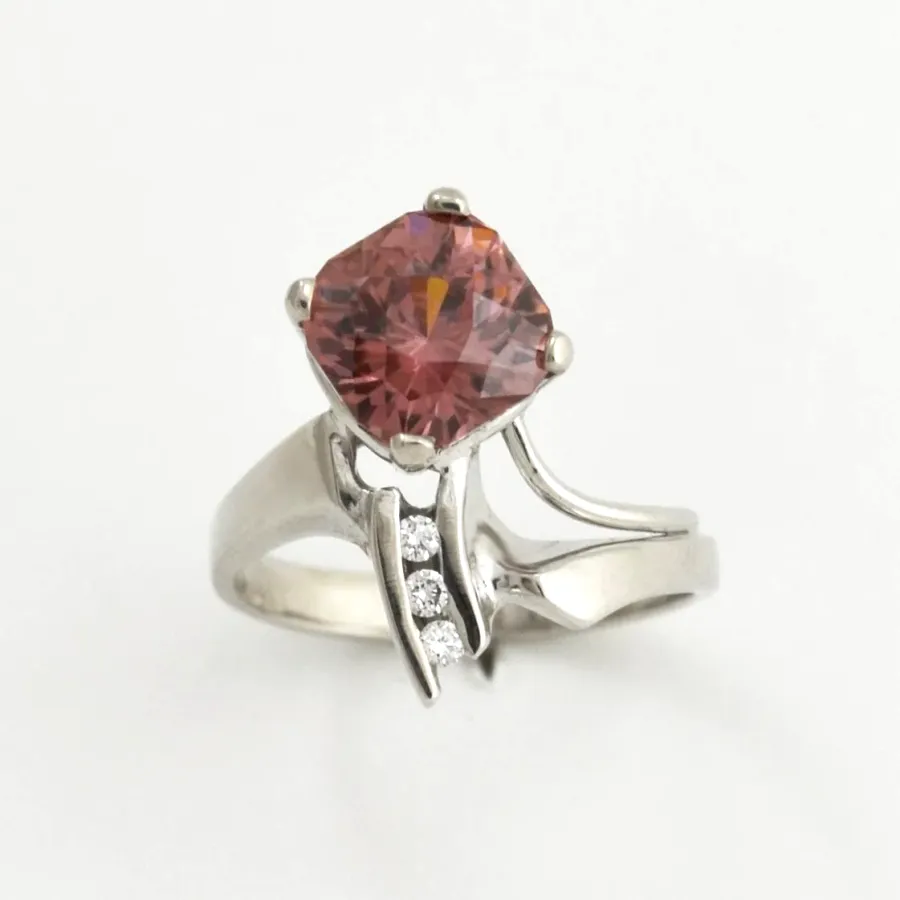
Tourmaline
Tourmaline occurs in a wider range of colors than any other gemstone, which is exactly why it has been the backbone of Sharon Teaman’s work for decades.
7 – 7.5 Mohs122 pieces
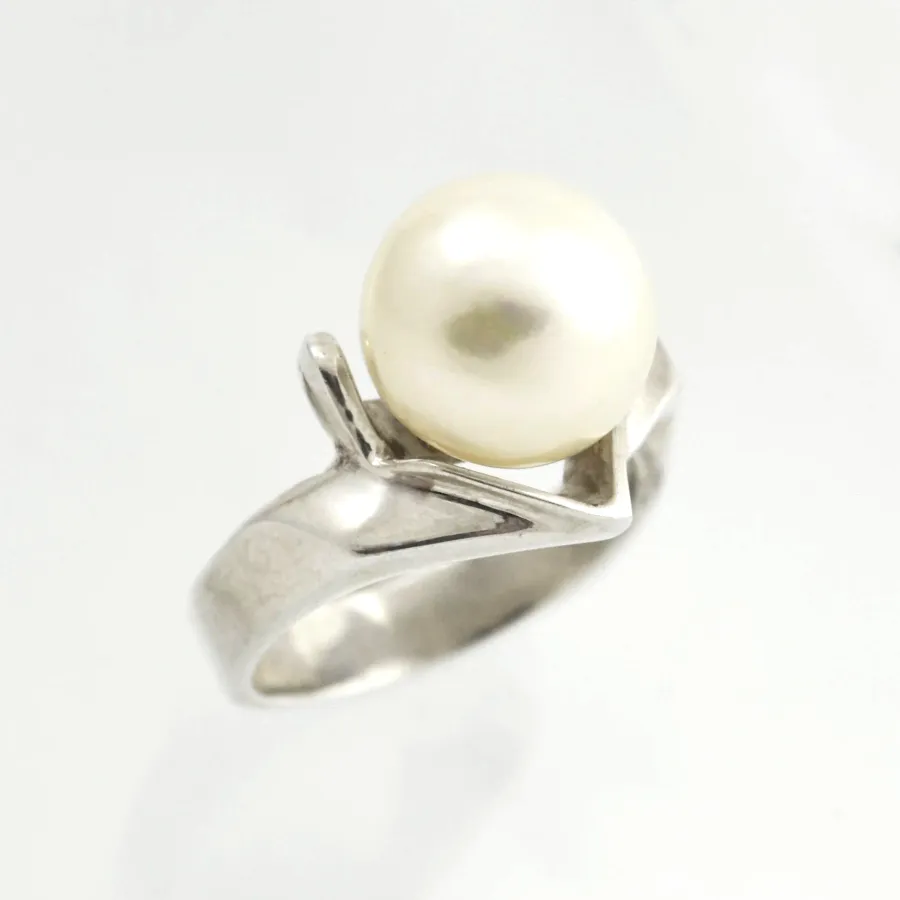
Pearl
Nothing else in the gem world is grown rather than mined. Pearls bring a soft, living luster that faceted stones cannot imitate — and they run the whole color range from white through aubergine to peacock.
2.5 – 4.5 Mohs121 pieces
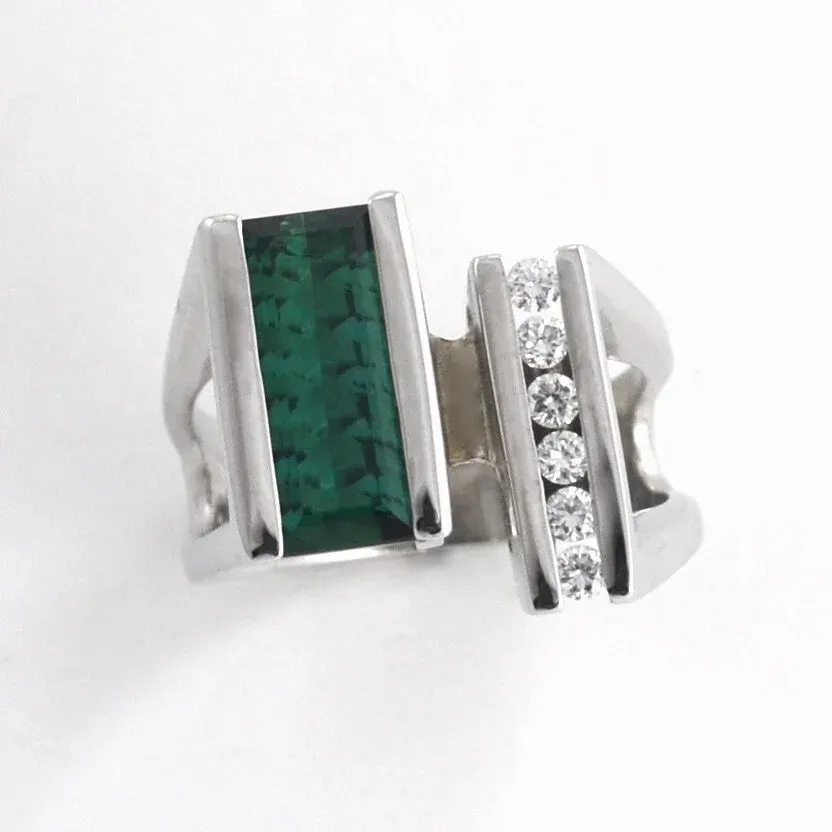
Green Tourmaline
From pale mint to deep chrome, green tourmaline offers the color of emerald with far better clarity and a far kinder price.
7 – 7.5 Mohs49 pieces
Pink & Peach Tourmaline
Blush, peach, hot pink and deep raspberry rubellite — manganese gives tourmaline the warmest half of its color range.
7 – 7.5 Mohs38 pieces
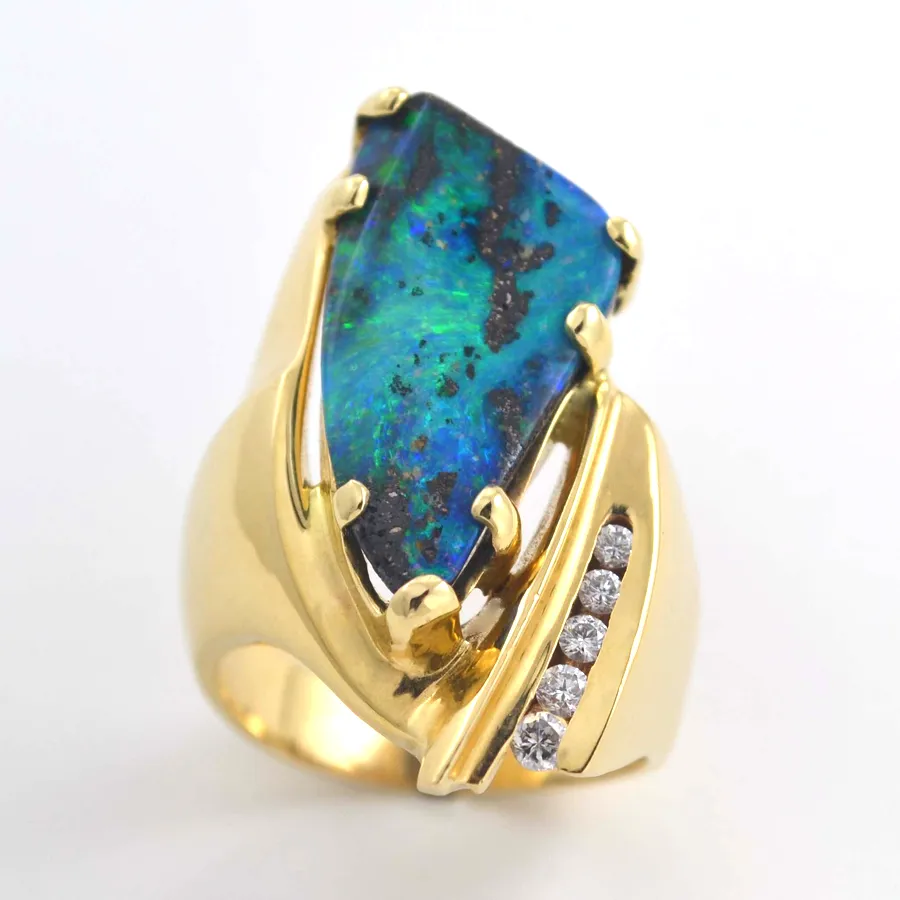
Opal
Opal is the only gemstone that produces its color through diffraction rather than absorption — which is why no two stones have ever been alike.
5.5 – 6.5 Mohs31 pieces
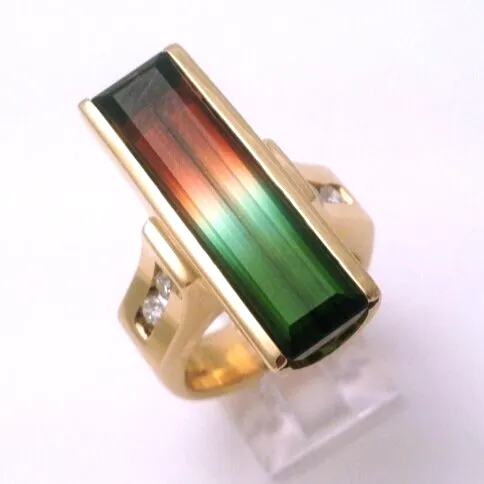
Watermelon Tourmaline
A pink core wrapped in a green rim, sliced across the crystal so both colors read at once — watermelon tourmaline is one of the few gemstones that is unmistakable at a glance.
7 – 7.5 Mohs26 pieces
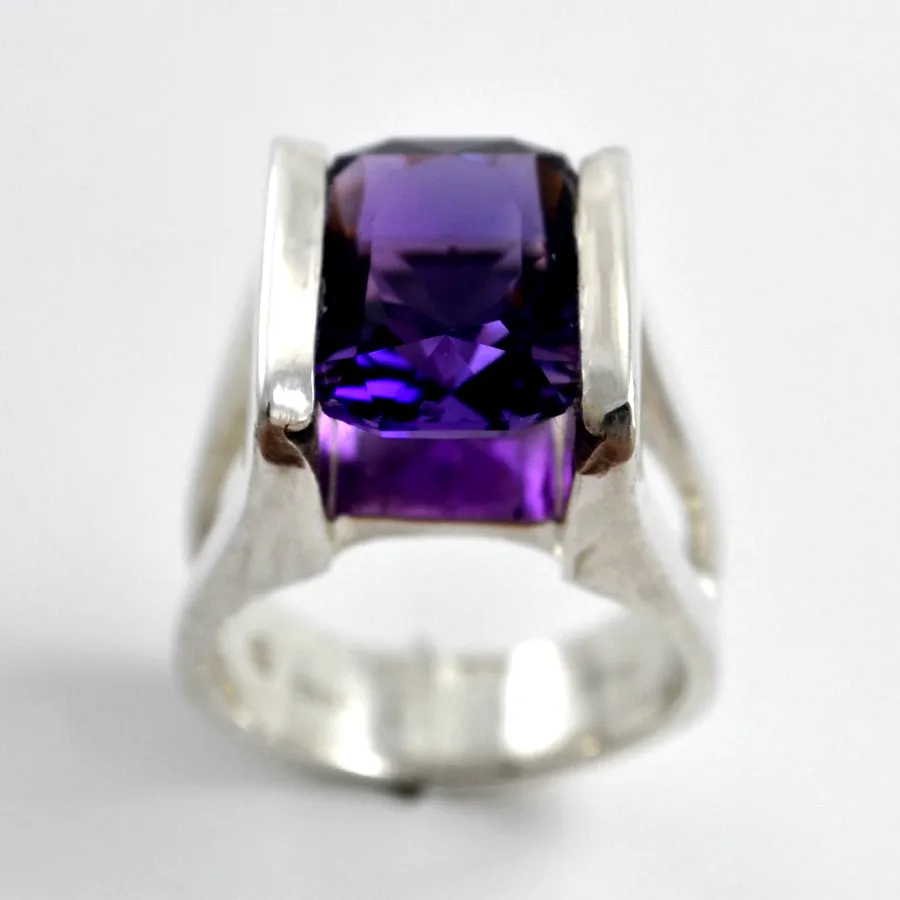
Amethyst
Once valued alongside ruby and emerald, amethyst is now one of the best values in fine jewelry — available clean, large, and in a purple nothing else quite matches.
7 Mohs24 pieces
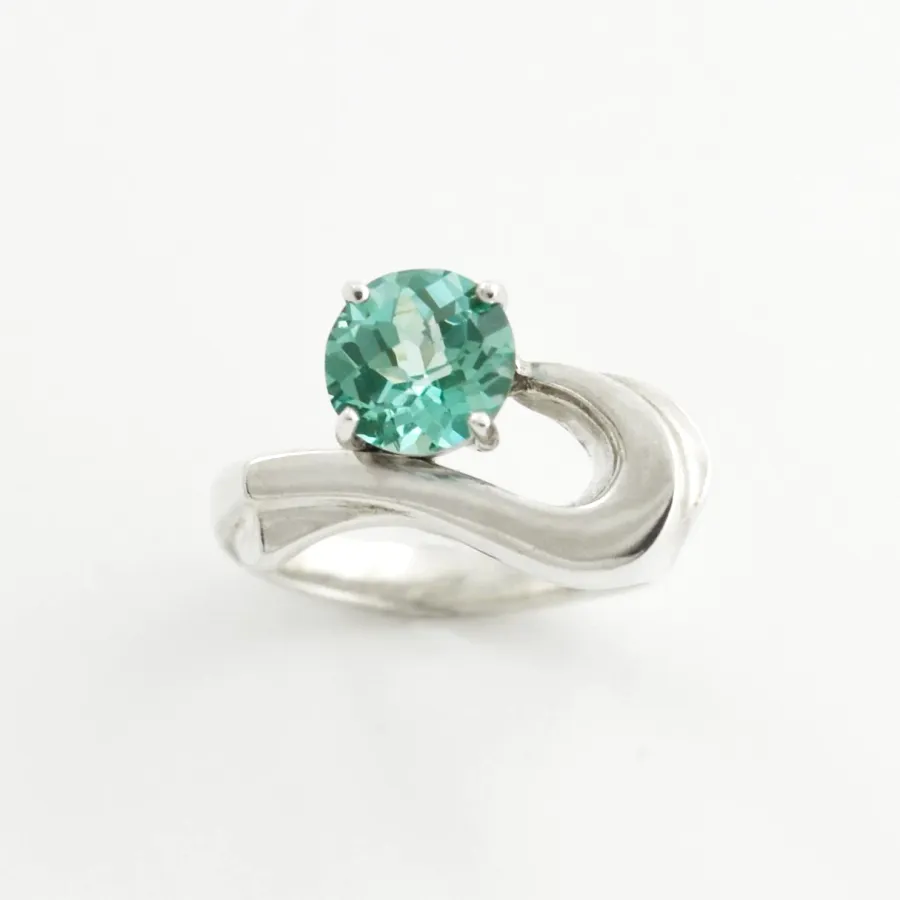
Paraiba SpinelLab created
A laboratory-created spinel in the electric blue-green of Paraiba tourmaline — the color, the durability and the clarity, at a fraction of the cost of the natural stone.
8 Mohs23 pieces
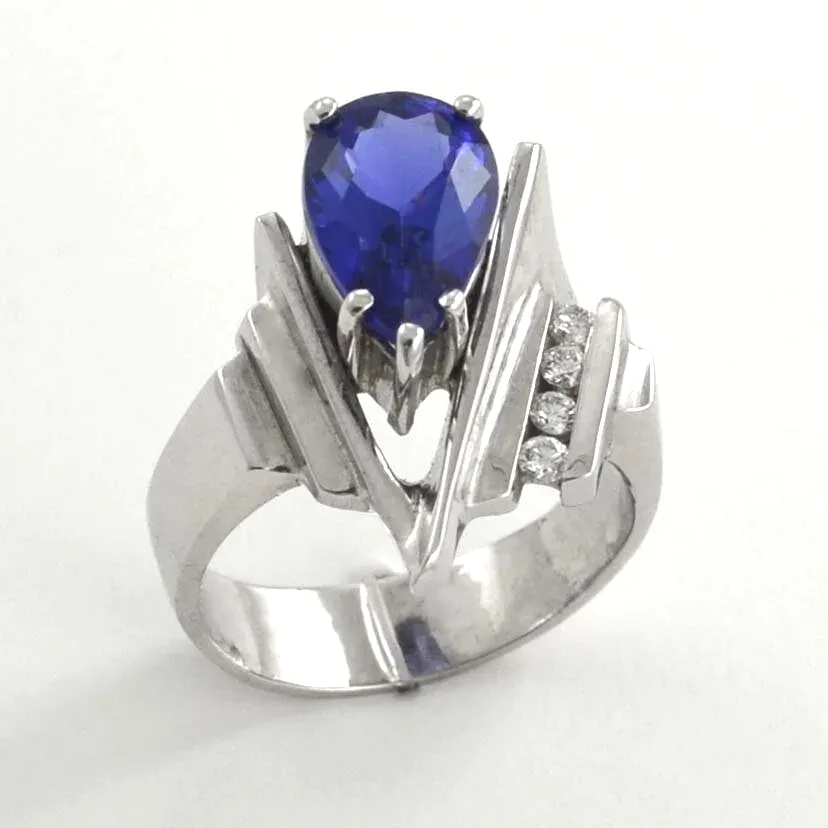
Tanzanite
Found in a single few square kilometers of northern Tanzania and nowhere else, tanzanite is a thousand times rarer than diamond by any measure of supply.
6 – 7 Mohs20 pieces
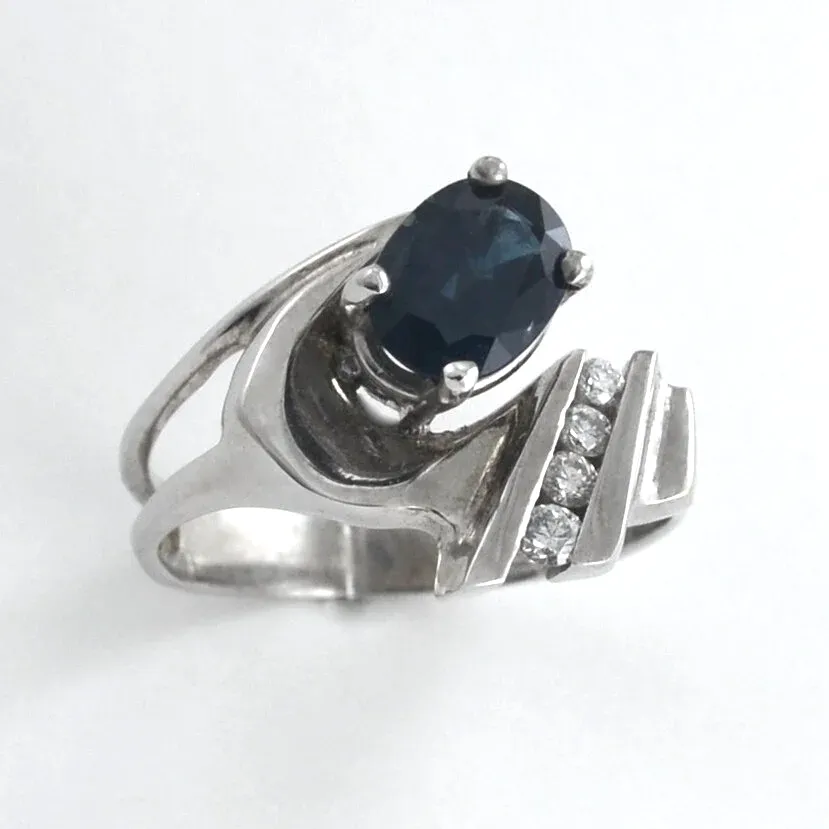
Sapphire
At 9 on the Mohs scale, sapphire is the most practical colored stone for a ring worn every day — and it comes in far more colors than the blue everyone pictures.
9 Mohs16 pieces
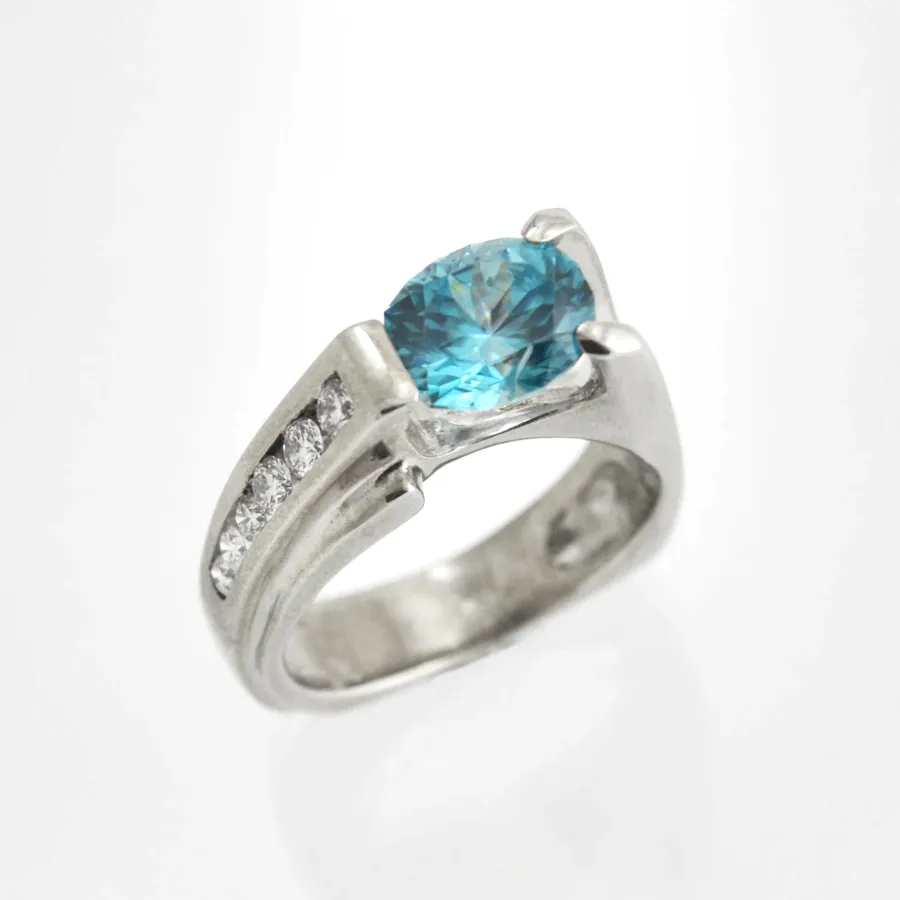
Blue Zircon
A natural stone with more fire than almost anything except diamond, in a glacial blue that photographs as though it were lit from inside.
6 – 7.5 Mohs13 pieces
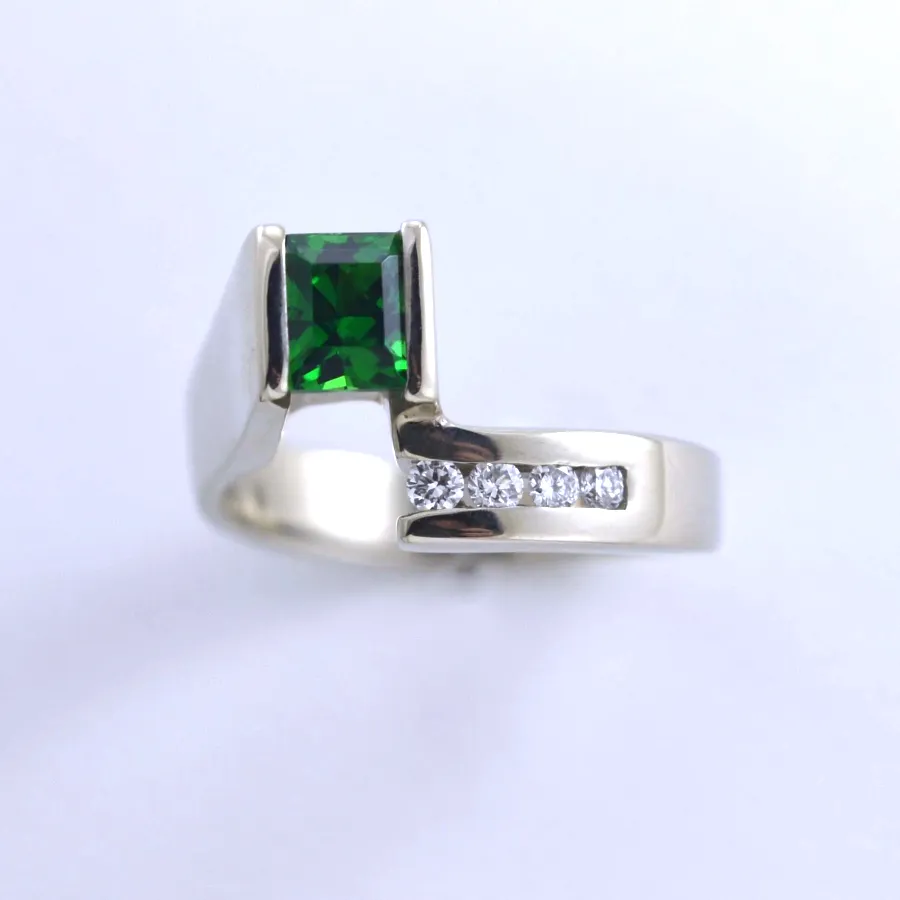
Garnet
Garnet is not one stone but a family, and it runs far past the dark red most people picture — into raspberry, mandarin orange and a green that rivals emerald.
6.5 – 7.5 Mohs13 pieces
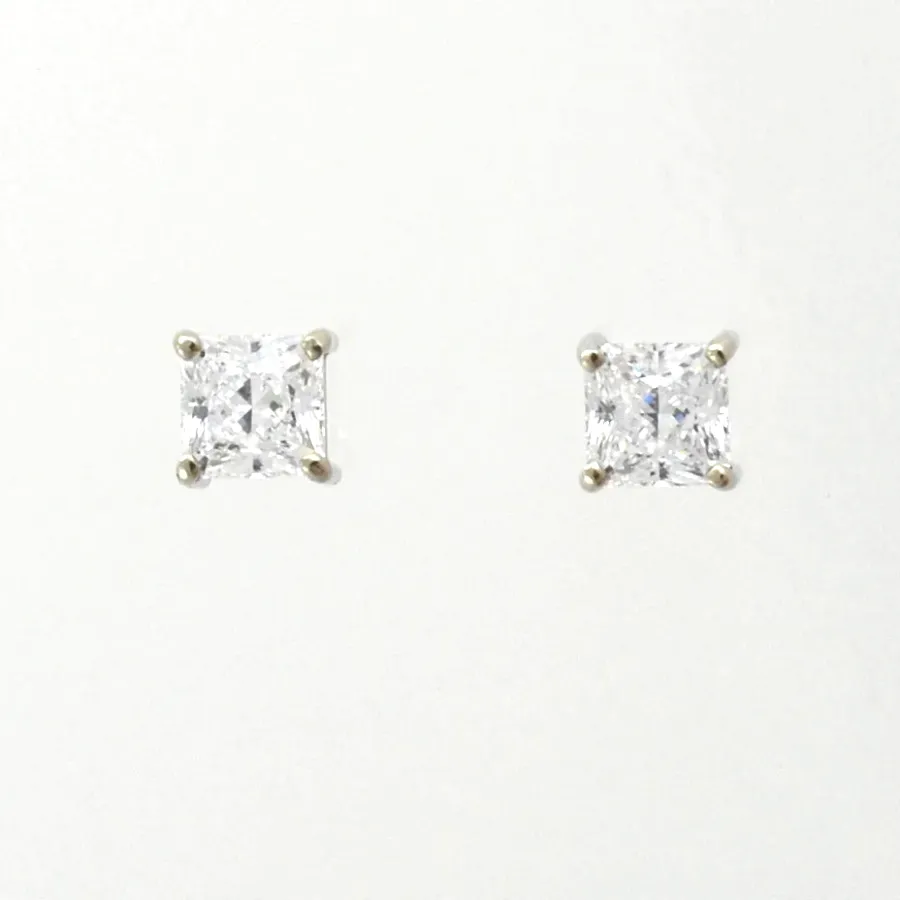
L'AnnyteLab created
A laboratory-created diamond simulant that gives the look of a large colorless stone at a price that leaves the budget for real goldsmithing.
Approximately 8 Mohs13 pieces
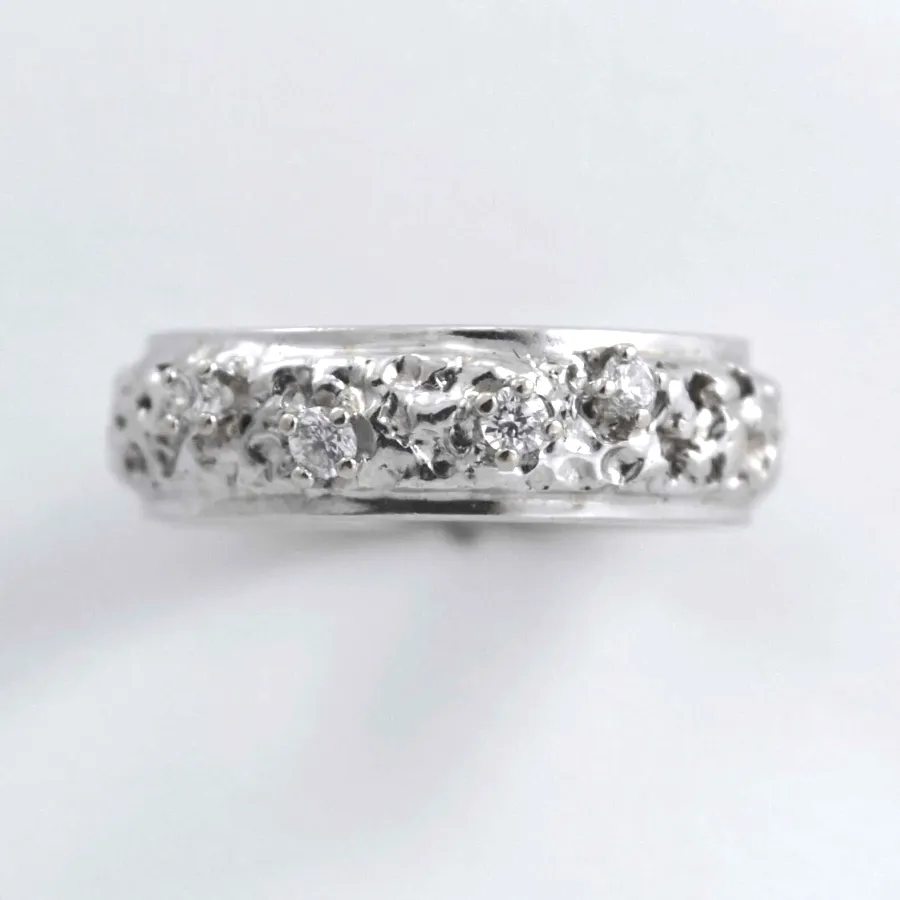
Diamond
The hardest natural substance on earth, and still the default for a ring meant to be worn for a lifetime.
10 Mohs12 pieces
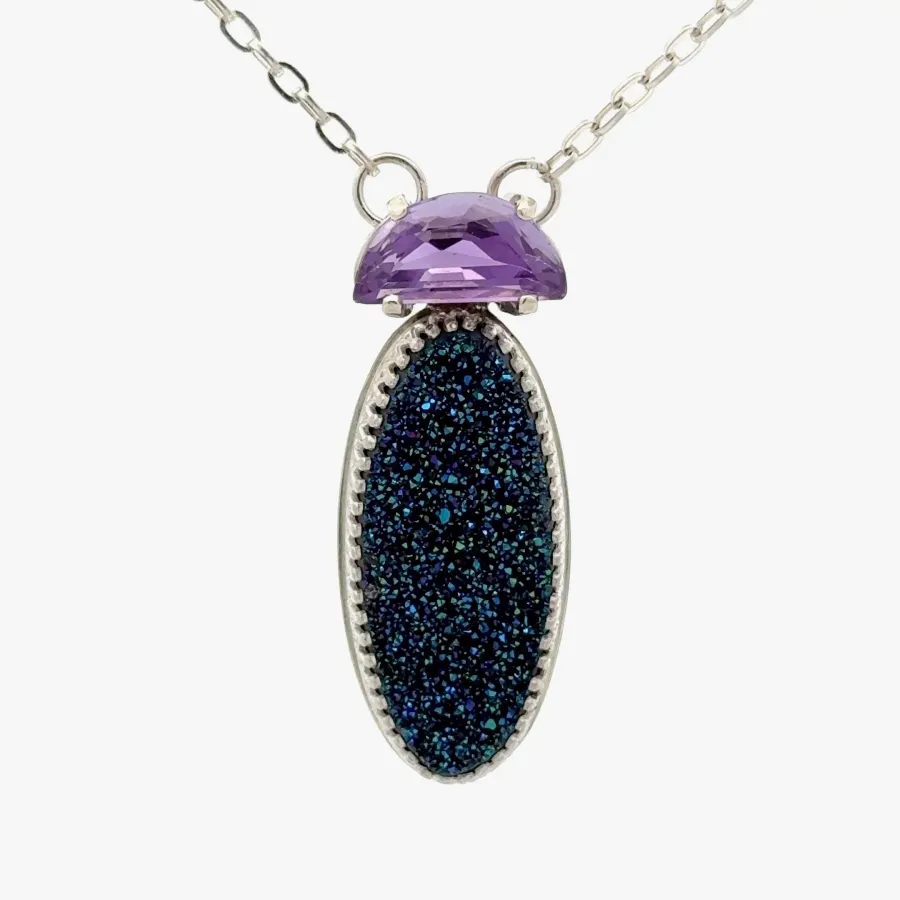
Drusy
A carpet of tiny crystals glittering across a rock face — drusy brings texture and light to jewelry in a way that a polished stone never can.
6.5 – 7 Mohs11 pieces
MoissaniteLab created
Harder than sapphire, brighter than diamond, and a fraction of the price — moissanite earns its place on its own merits rather than as an imitation.
9.25 Mohs10 pieces
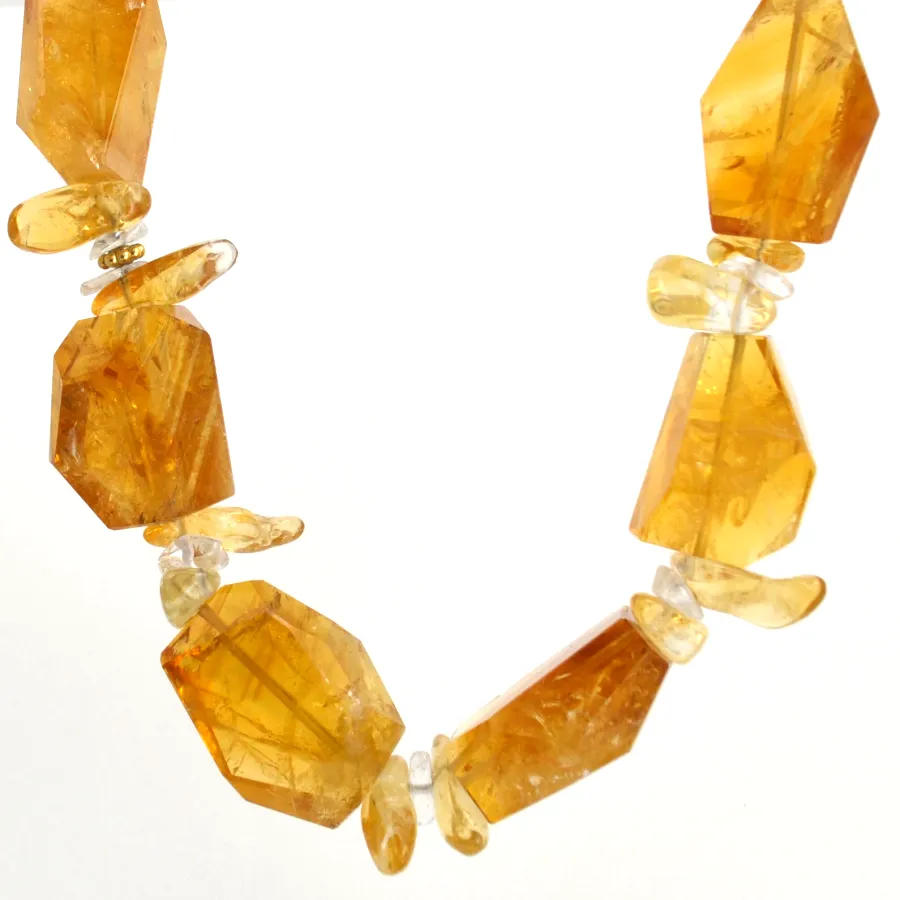
Citrine
The warmest stone in the quartz family, and one of the very few yellows available clean and large without a serious price.
7 Mohs10 pieces
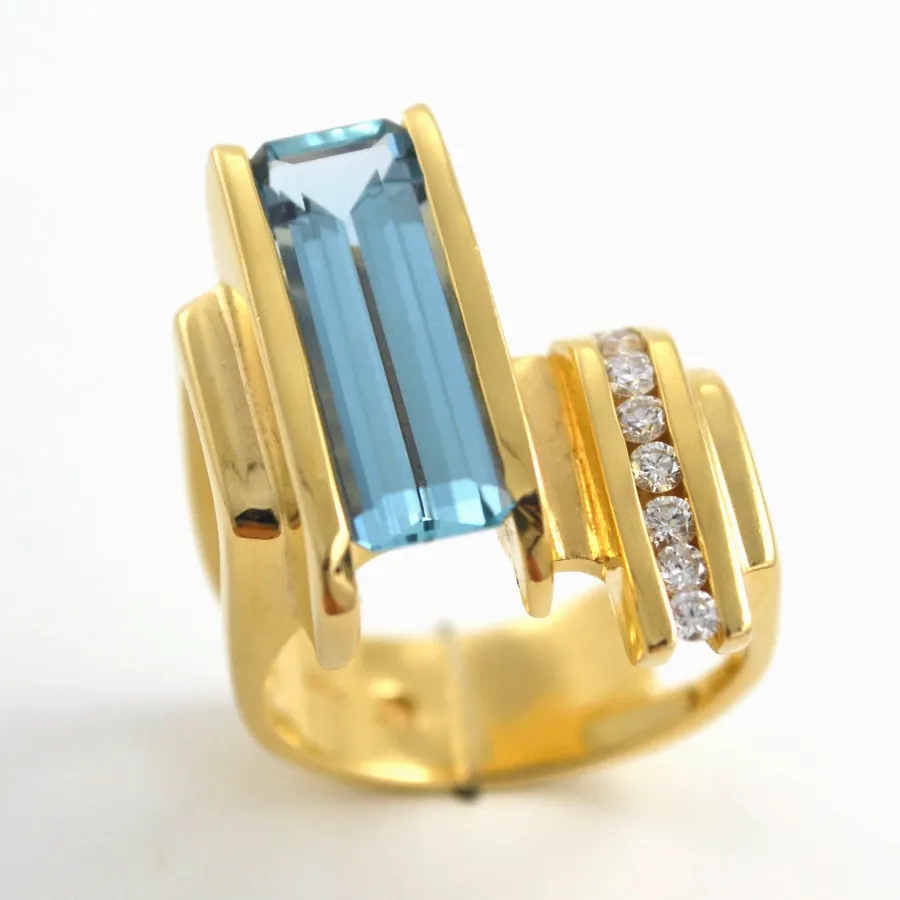
Aquamarine
The same mineral as emerald, but grown clean — aquamarine is one of the few pale stones that stays bright rather than washing out.
7.5 – 8 Mohs9 pieces
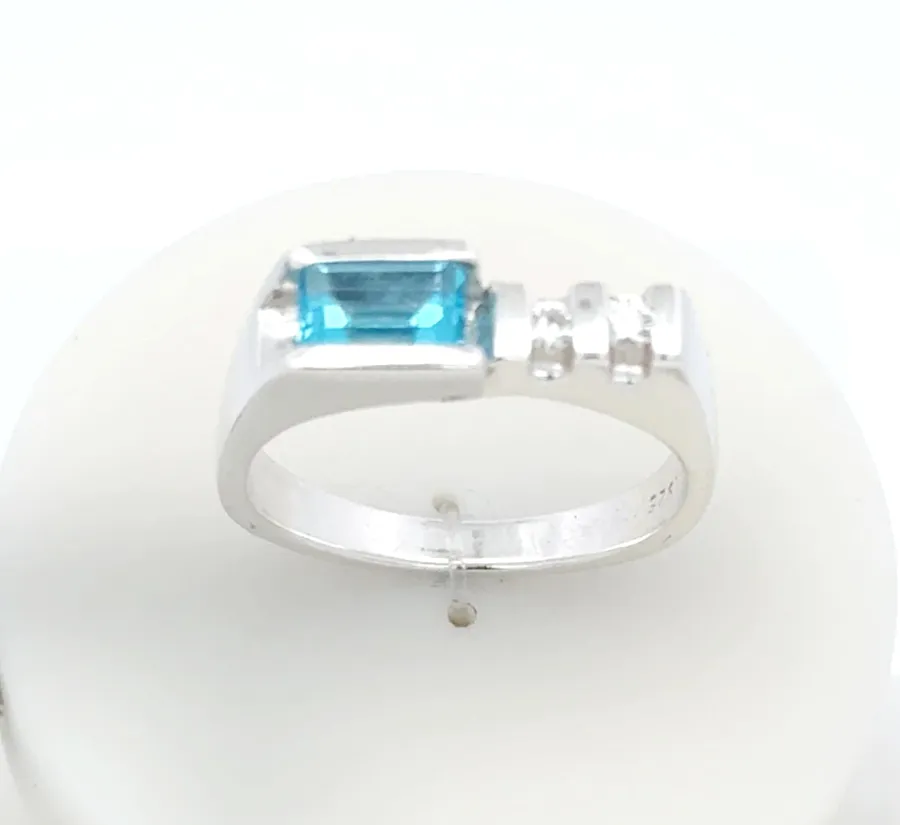
Blue Topaz
Hard, bright, available in large clean sizes and genuinely inexpensive — blue topaz is the most practical way to wear real size in a blue stone.
8 Mohs8 pieces
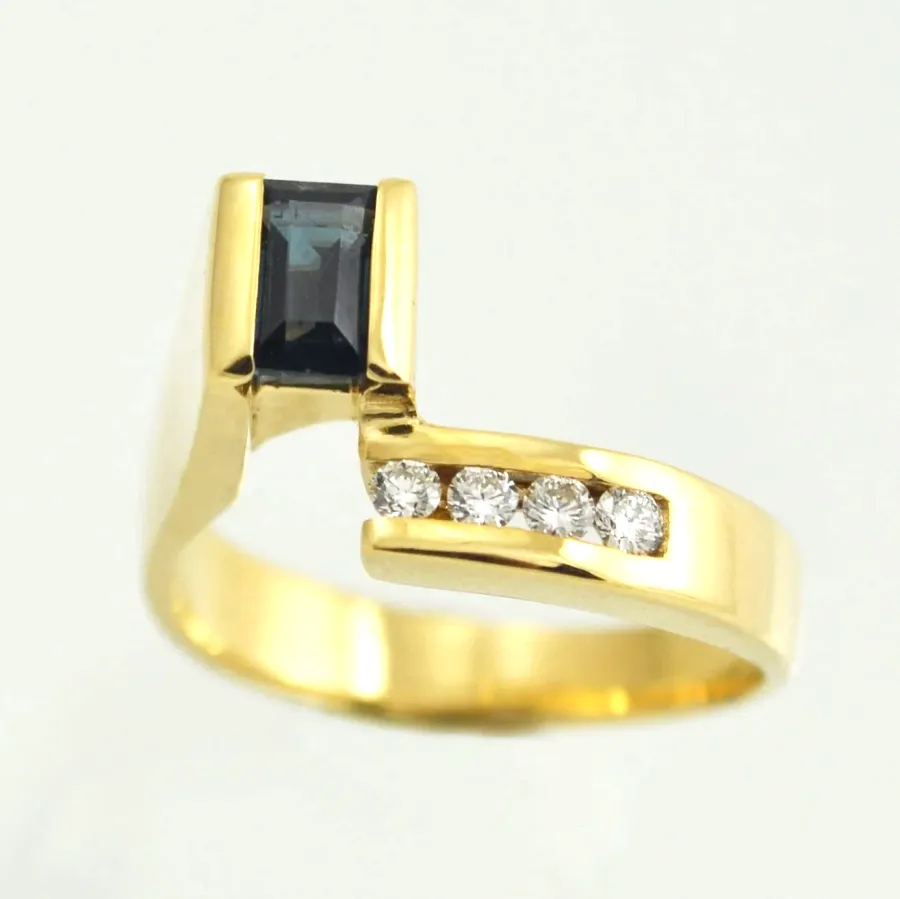
Alexandrite
Green by day, raspberry by candlelight. Alexandrite changes color with the light source, and fine material is genuinely rarer than diamond.
8.5 Mohs5 pieces
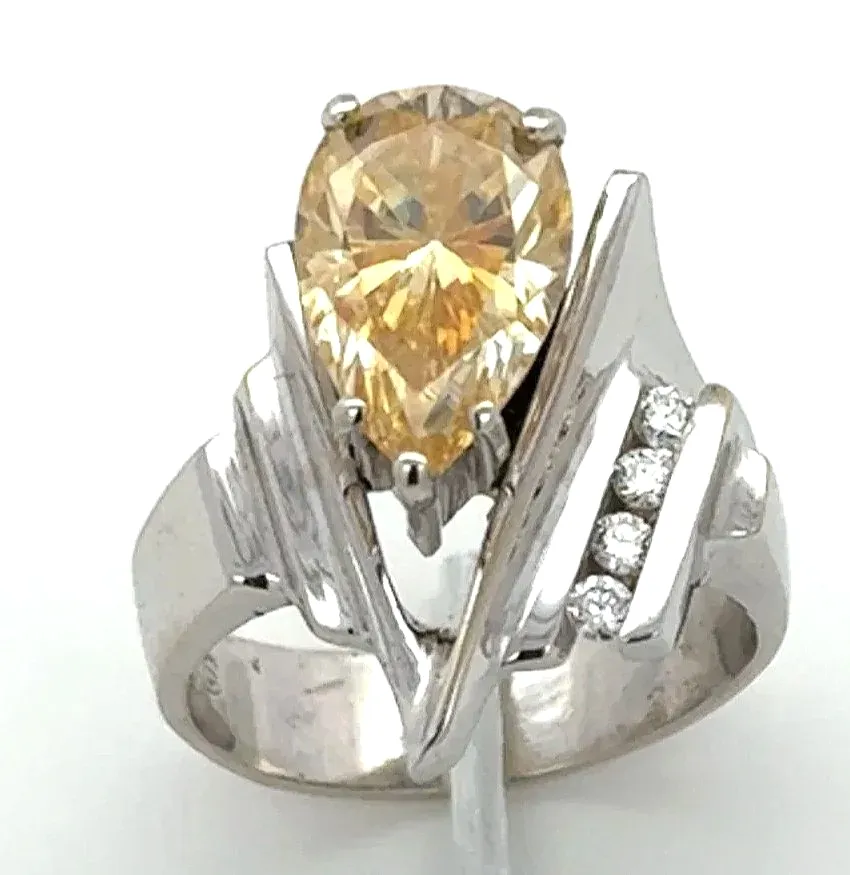
Lab-Grown DiamondLab created
Chemically, physically and optically identical to a mined diamond — the same carbon, the same hardness, the same fire — grown in weeks rather than eons.
10 Mohs5 pieces
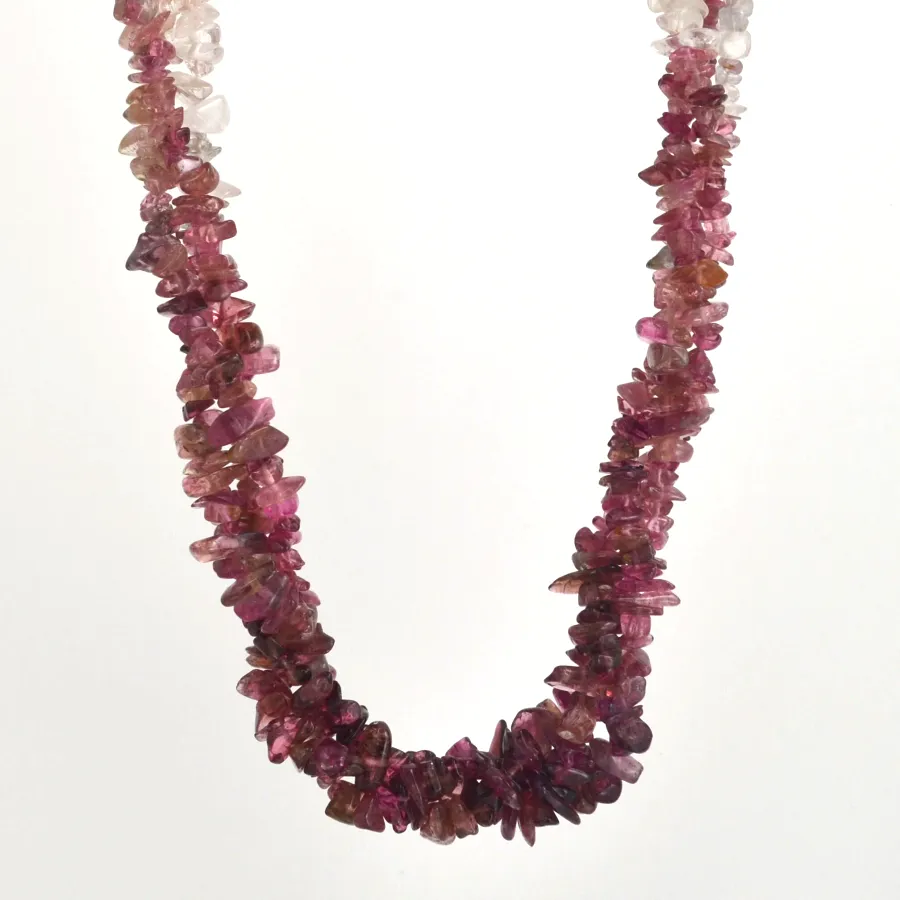
Quartz
The most abundant gem mineral on earth, and in its rarer forms — hand-cut, rutilated, optically clear — one of the most interesting to work with.
7 Mohs5 pieces
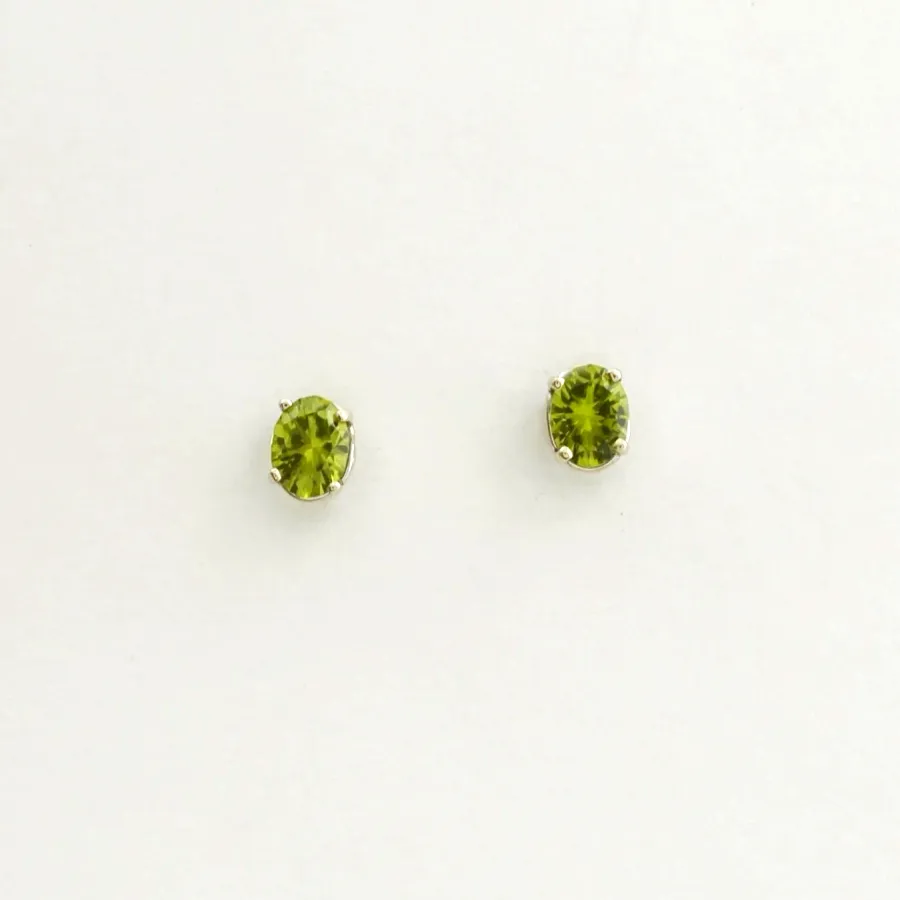
Peridot
The only major gemstone that occurs in just one color — a yellow-green that comes from the iron in its own chemistry rather than from a trace impurity.
6.5 – 7 Mohs5 pieces
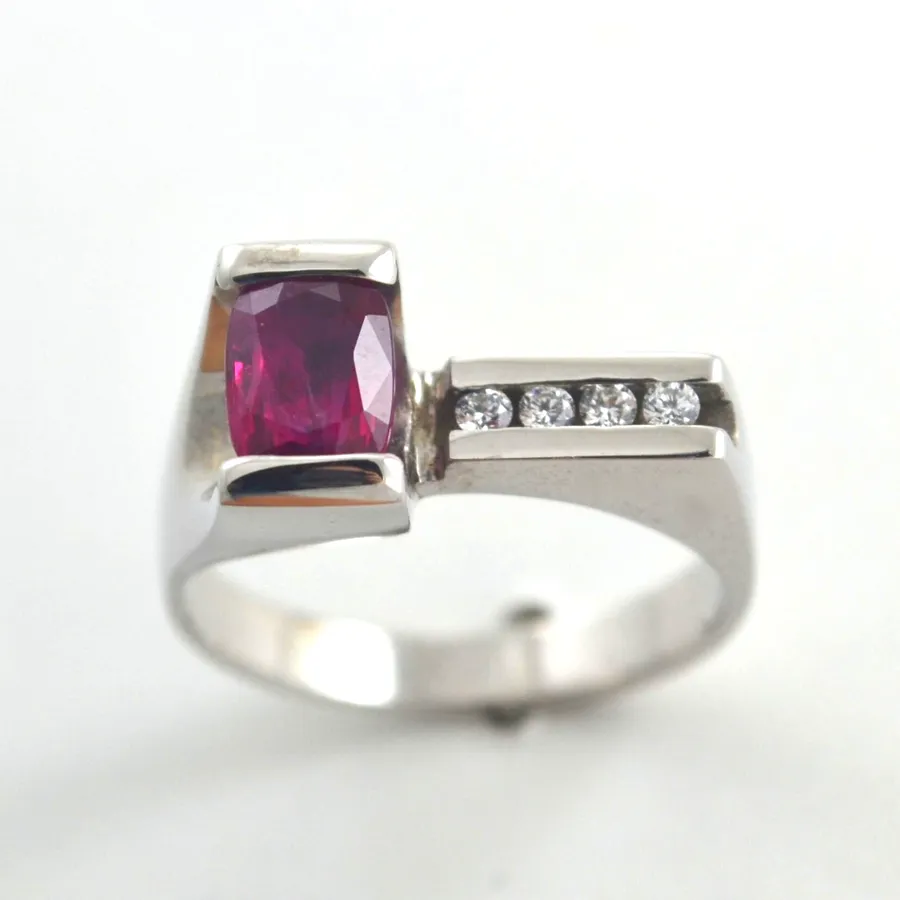
Ruby
The same mineral as sapphire, turned red by chromium — and hard enough at 9 on the Mohs scale to make a genuinely practical alternative to a diamond engagement ring.
9 Mohs4 pieces
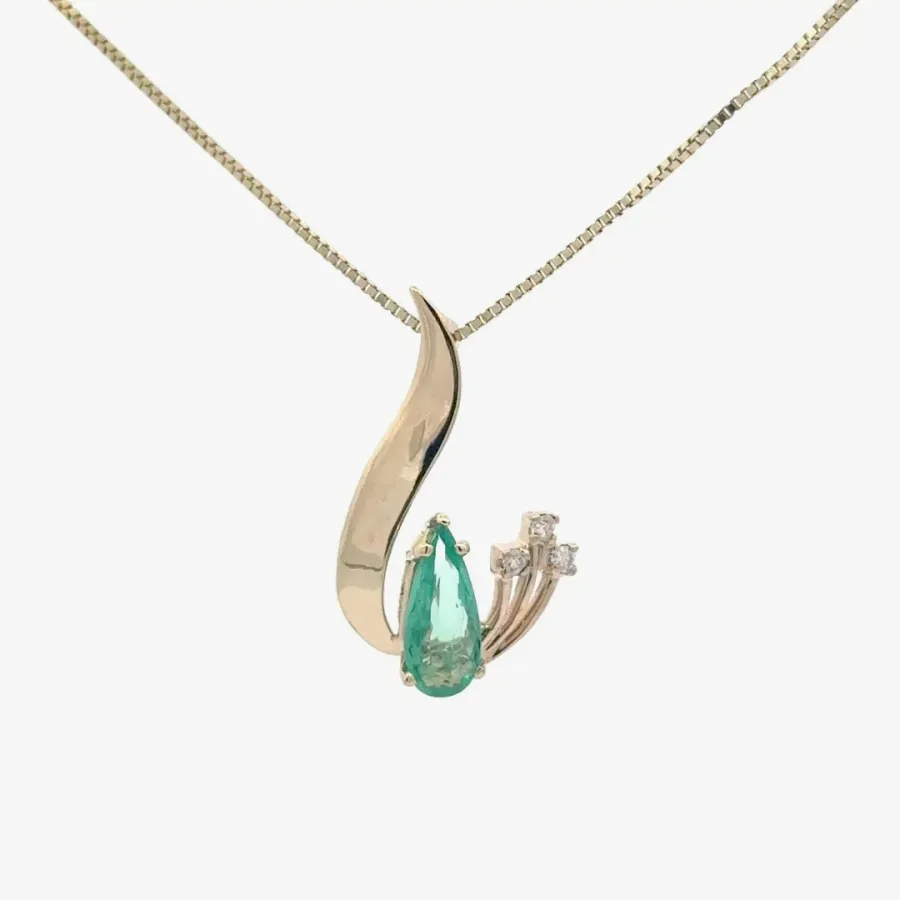
Emerald
The green against which every other green is measured — and the one major gemstone where visible inclusions are accepted as part of its character.
7.5 – 8 Mohs4 pieces
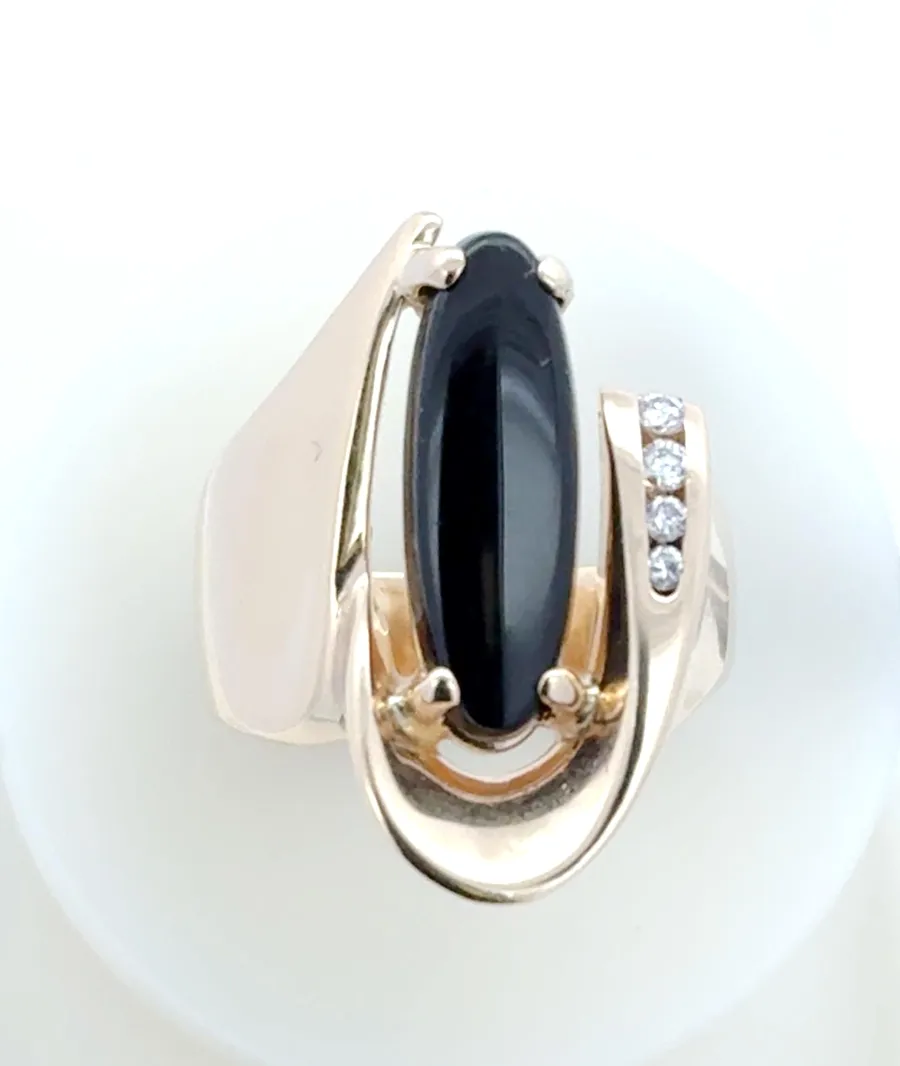
Onyx
A dense, even black that gives a piece its architecture — onyx is the stone Sharon reaches for when a design needs weight and contrast rather than sparkle.
6.5 – 7 Mohs4 pieces
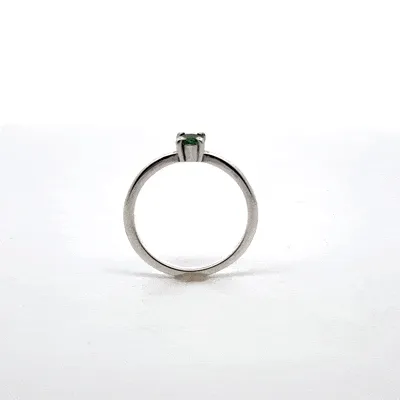
Tsavorite Garnet
A chromium-green garnet that stands directly beside fine emerald for color, with far better clarity and no treatment at all.
7 – 7.5 Mohs1 piece
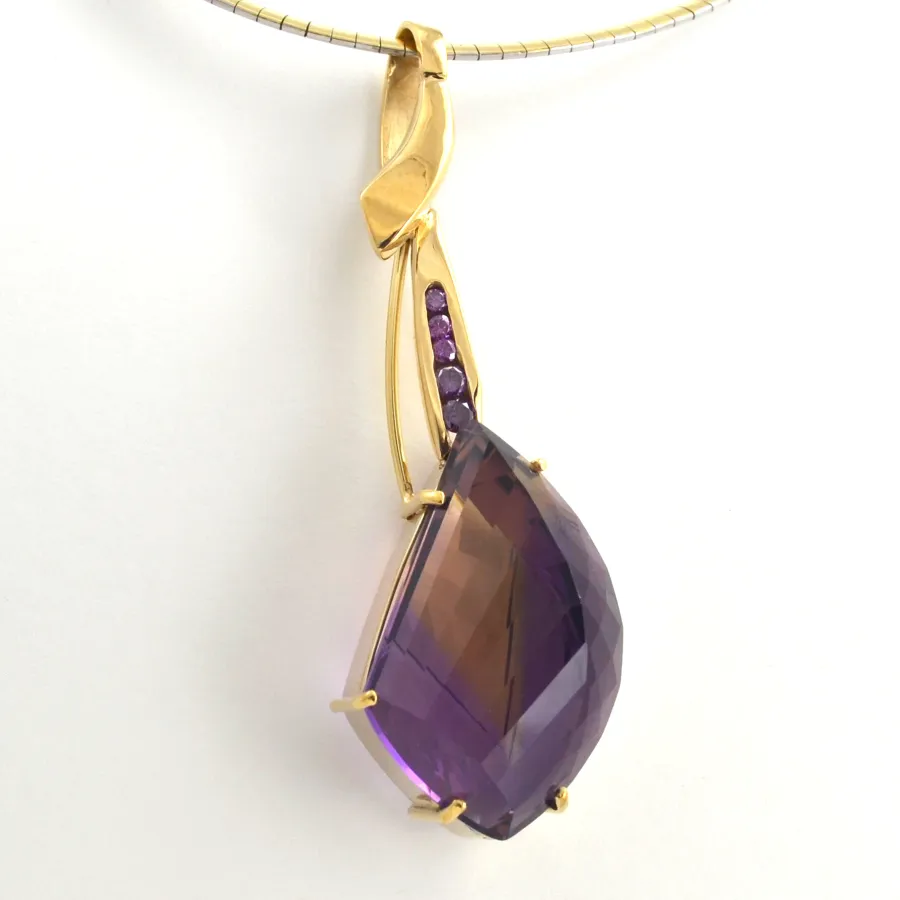
Ametrine
One crystal, two colors, divided by a line the earth drew — ametrine is amethyst and citrine grown together in the same stone.
7 Mohs1 piece
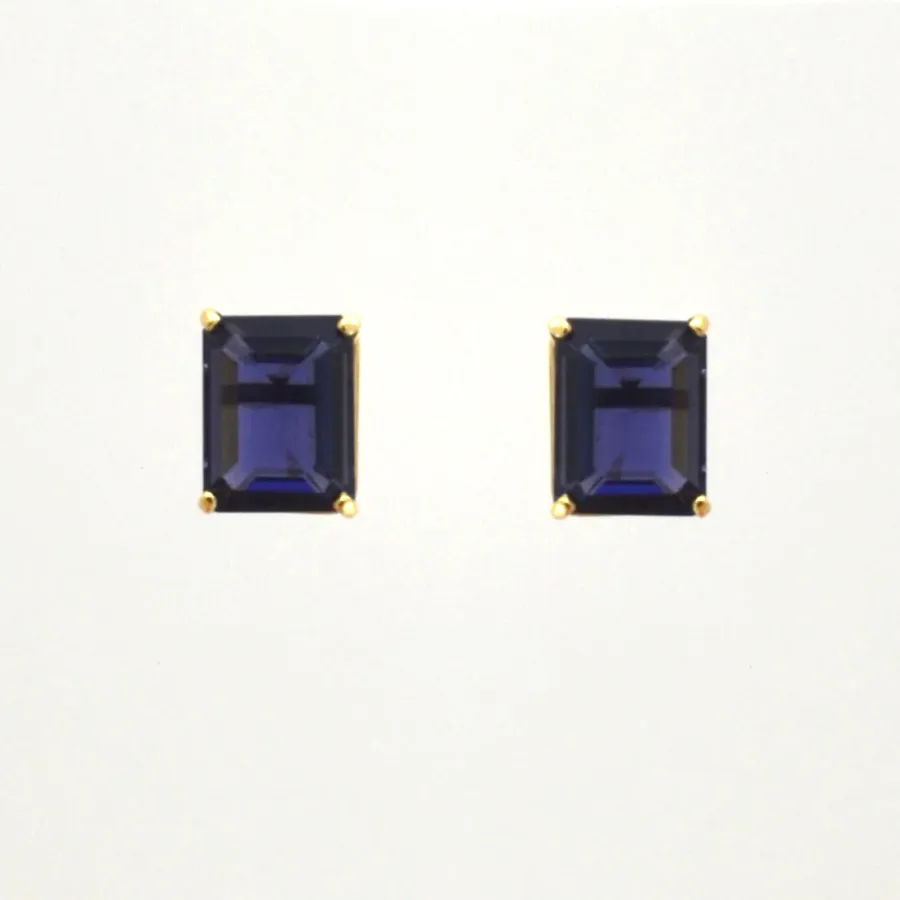
Iolite
A violet-blue stone so strongly pleochroic that Viking navigators are said to have used it to locate the sun through overcast skies.
7 – 7.5 Mohs1 piece
Looking for a stone you don't see here?
Sharon sources museum-quality material year round and has spent nearly five decades building relationships with cutters and dealers. If you have a stone in mind, ask — finding it is part of the work she enjoys most.