Iolite
A violet-blue stone so strongly pleochroic that Viking navigators are said to have used it to locate the sun through overcast skies.
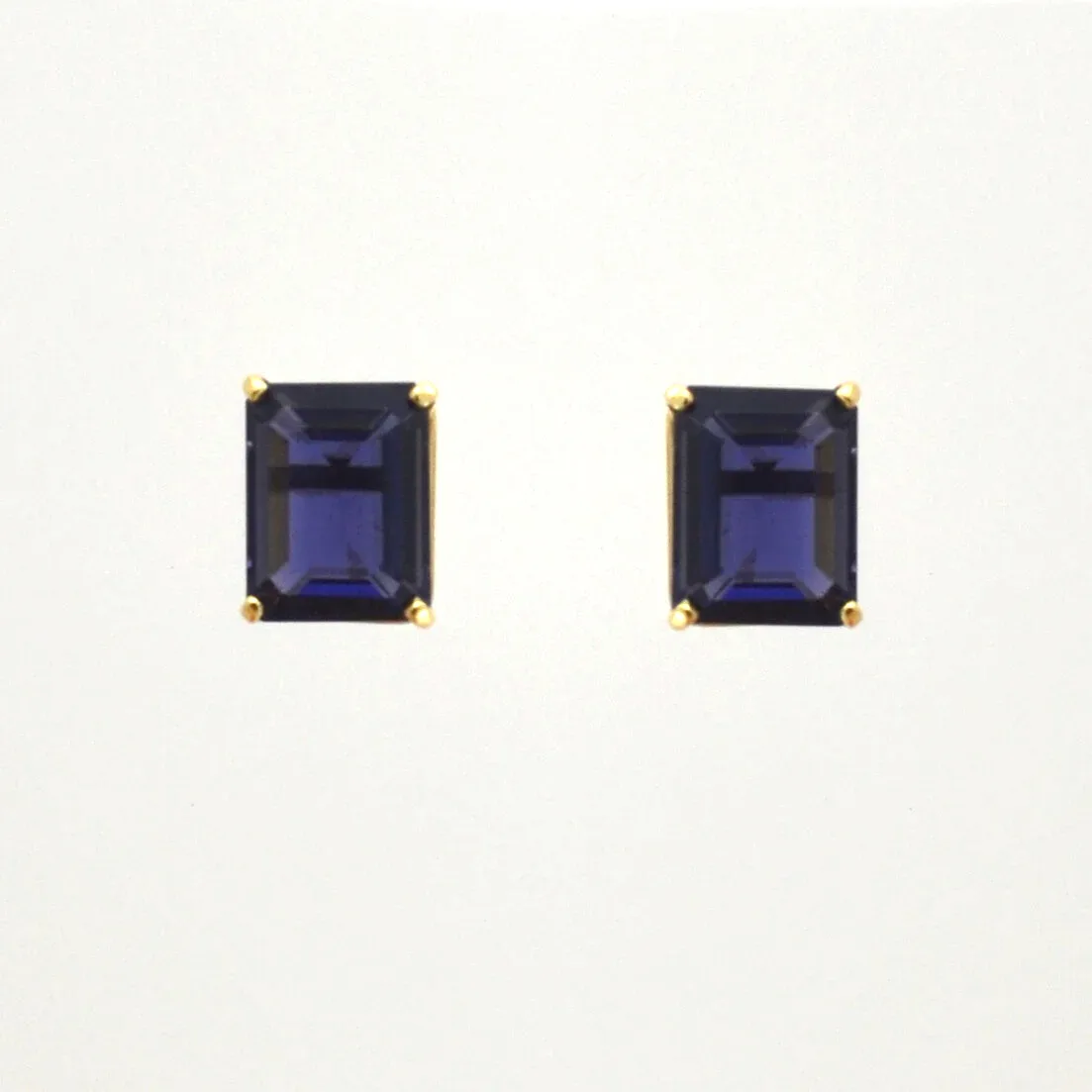
About Iolite
Iolite is the gem variety of cordierite, and its defining property is extreme pleochroism: it shows violet-blue down one axis, a pale yellowish gray down another, and near-colorless down a third. Turn a poorly oriented stone and it changes from blue to gray in your hand.
That property makes cutting unusually demanding. The cutter must orient the rough precisely to capture the violet-blue face-up, and any compromise costs color. It also gives iolite its historical name, water sapphire, and the persistent story that Norse navigators used thin slices as a polarizing filter to find the sun on cloudy days.
Iolite is never treated, which is worth noting in a market where nearly everything blue has been heated. At 7 to 7.5 on the Mohs scale it wears reasonably well, though it has distinct cleavage and prefers a protective setting.
Why Sharon works with iolite
Sharon likes iolite for its honesty — an untreated blue at a fair price, in a violet tone that reads differently from sapphire or tanzanite. She sets it protected because of the cleavage.
Caring for iolite
Warm soapy water and a soft brush. Avoid ultrasonic and steam cleaning because of the cleavage.
Common questions about iolite
Why is iolite called water sapphire?
It is an old trade name reflecting its violet-blue color and the way it appears to change with viewing angle. It is not related to sapphire, which is corundum.
Is iolite treated?
No. Iolite reaches the market untreated, which is unusual among blue gemstones.
Iolite jewelry by Sharon Teaman
Each piece is one of a kind and made by hand in State College, Pennsylvania.
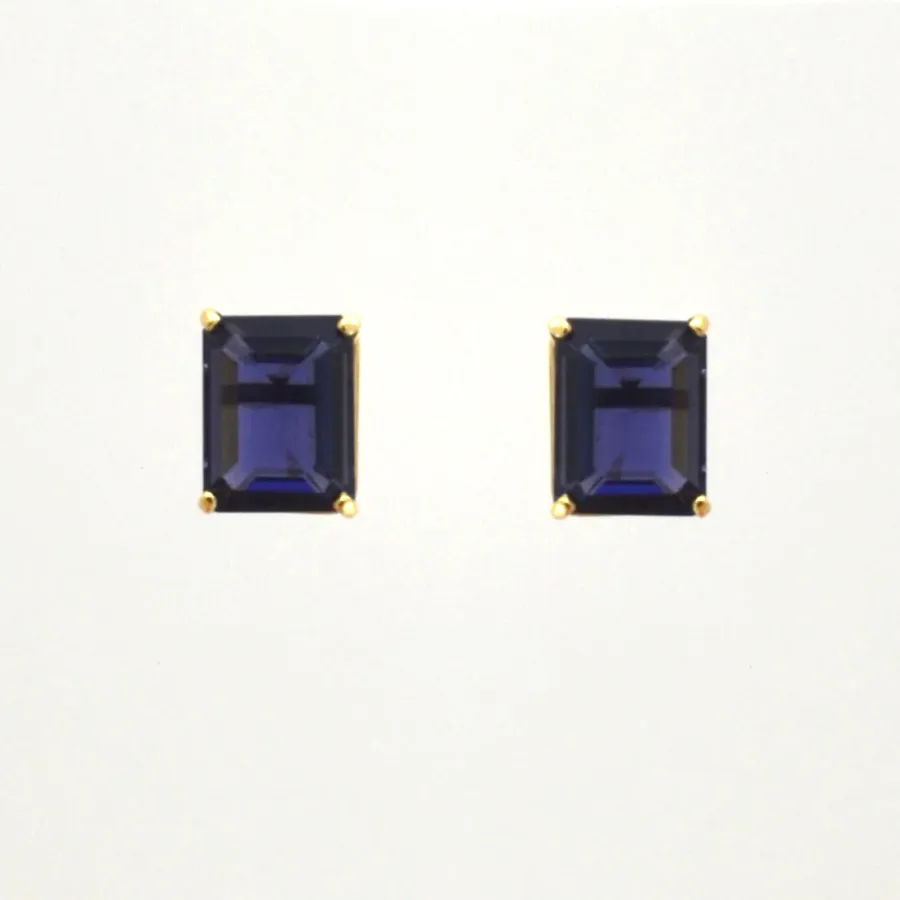
Commission a iolite piece
Tell Sharon the color, the shape or the budget you have in mind. She sources iolite year round and will find the right stone before a single sketch is made.