Alexandrite
Green by day, raspberry by candlelight. Alexandrite changes color with the light source, and fine material is genuinely rarer than diamond.
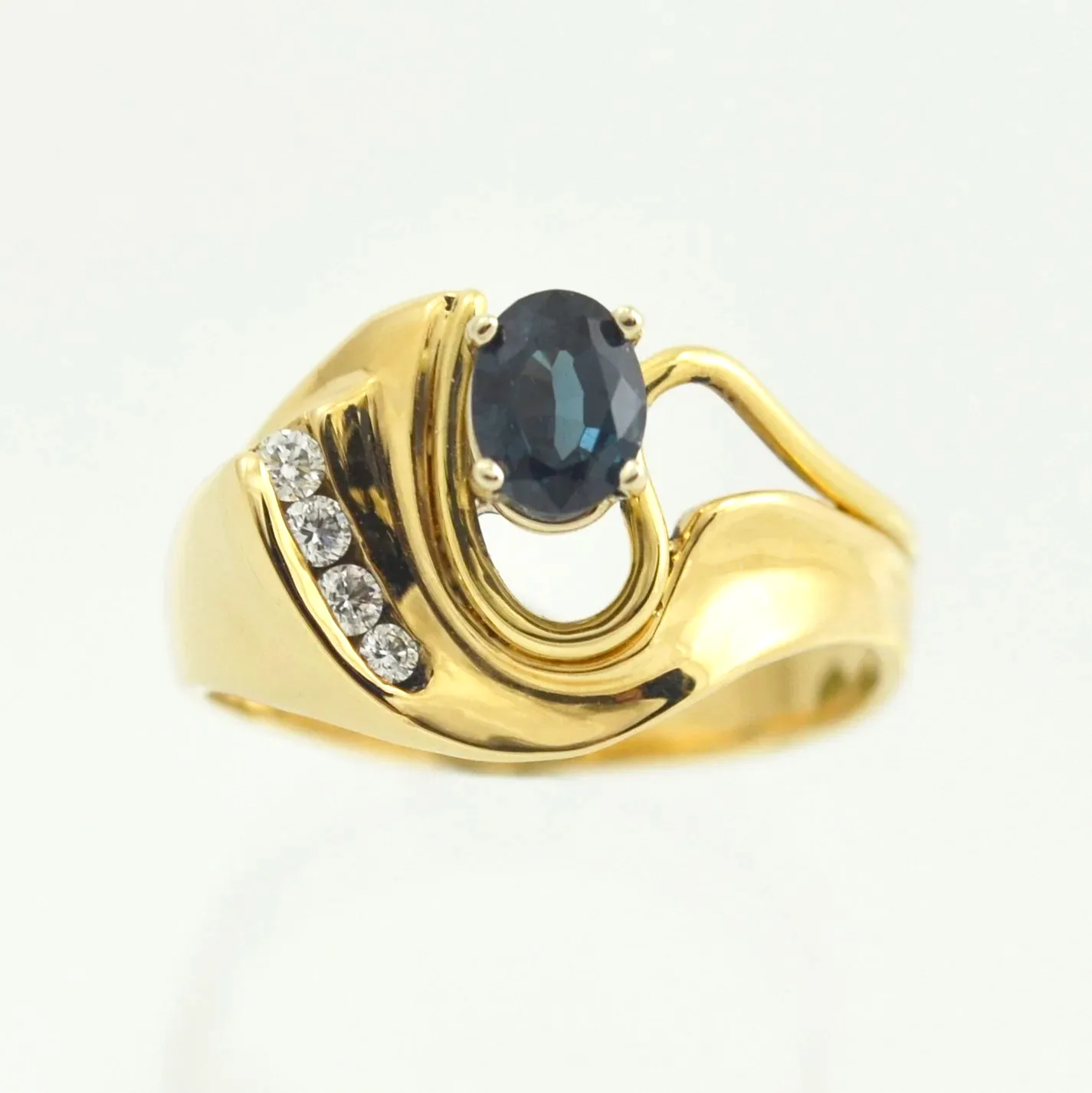
About Alexandrite
Alexandrite is a color-change variety of chrysoberyl, and the effect is real physics rather than a trick of perception. Chromium in the crystal absorbs light in the yellow part of the spectrum, leaving transmission windows in both the green and the red. Daylight is rich in blue and green, so the stone reads green; incandescent light is rich in red, so the same stone reads raspberry. Move from a window to a lamp and it changes in front of you.
It was first found in the Ural Mountains in the 1830s and named for the Russian tsarevich. Those original deposits are effectively exhausted, and today’s material comes chiefly from Brazil, Sri Lanka, Tanzania and Zimbabwe. Zimbabwean stones in particular can show an exceptionally strong change.
Quality in alexandrite is judged almost entirely on the strength and completeness of the color change. A stone that shifts from a clean green to a clean red is worth many times one that moves from a murky olive to a brownish plum. Size compounds the rarity sharply — clean alexandrite over one carat with a strong change is a serious stone at a serious price.
Why Sharon works with alexandrite
Sharon sources Zimbabwean alexandrite with top color change and sets it in small, precise pieces where the stone is the entire point. Every alexandrite she sells is documented with its carat weight and its stone cost broken out separately, so a client can see exactly what they are paying for.
Caring for alexandrite
At 8.5 on the Mohs scale alexandrite is durable and suits daily wear. Warm soapy water and a soft brush; ultrasonic cleaning is generally safe for clean stones.
Common questions about alexandrite
Why is alexandrite so expensive?
Because fine material is extraordinarily scarce. The combination required — chrysoberyl chemistry, the right chromium content, and clean crystal in wearable sizes — occurs very rarely. Top-change stones over a carat are rarer than comparable diamonds.
Is there such a thing as lab-created alexandrite?
Yes, and it shows a genuine color change at a small fraction of the price. It must be disclosed as laboratory grown. Much of what is sold cheaply as alexandrite, however, is actually color-change synthetic sapphire, which is a different material entirely.
How strong should the color change be?
The best stones move decisively from green to red with little brown or gray in either state. Ask to see any alexandrite in both daylight and incandescent light before buying — the difference between a good change and a weak one is immediately obvious side by side.
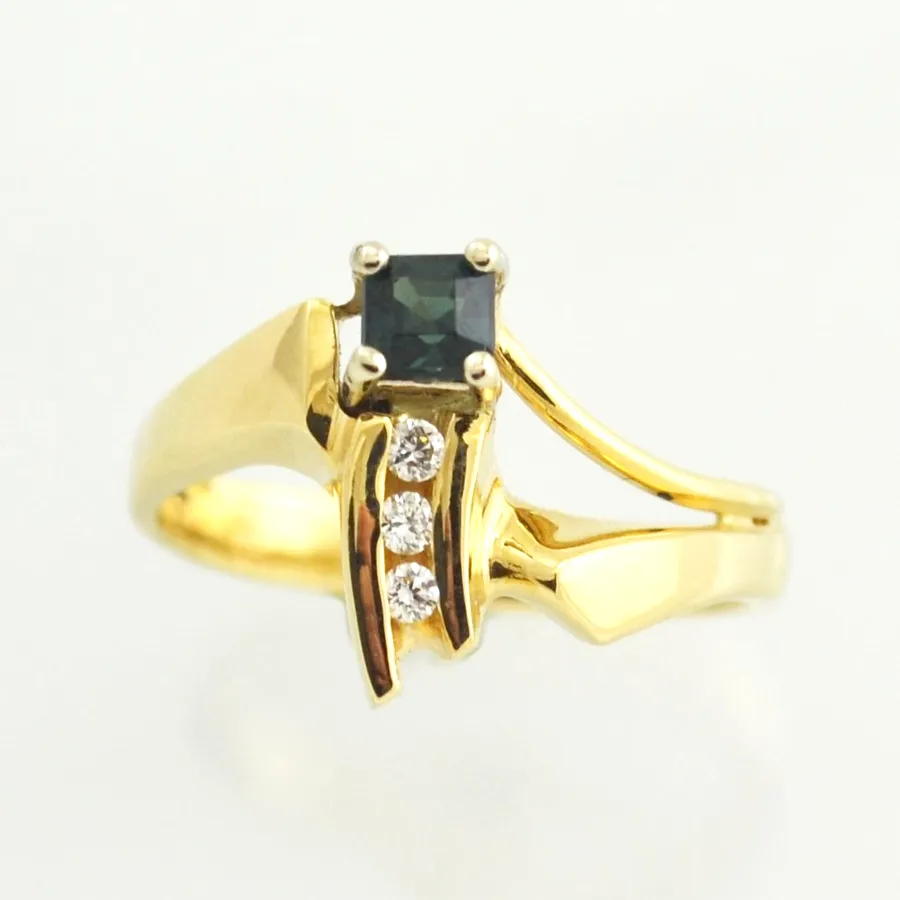
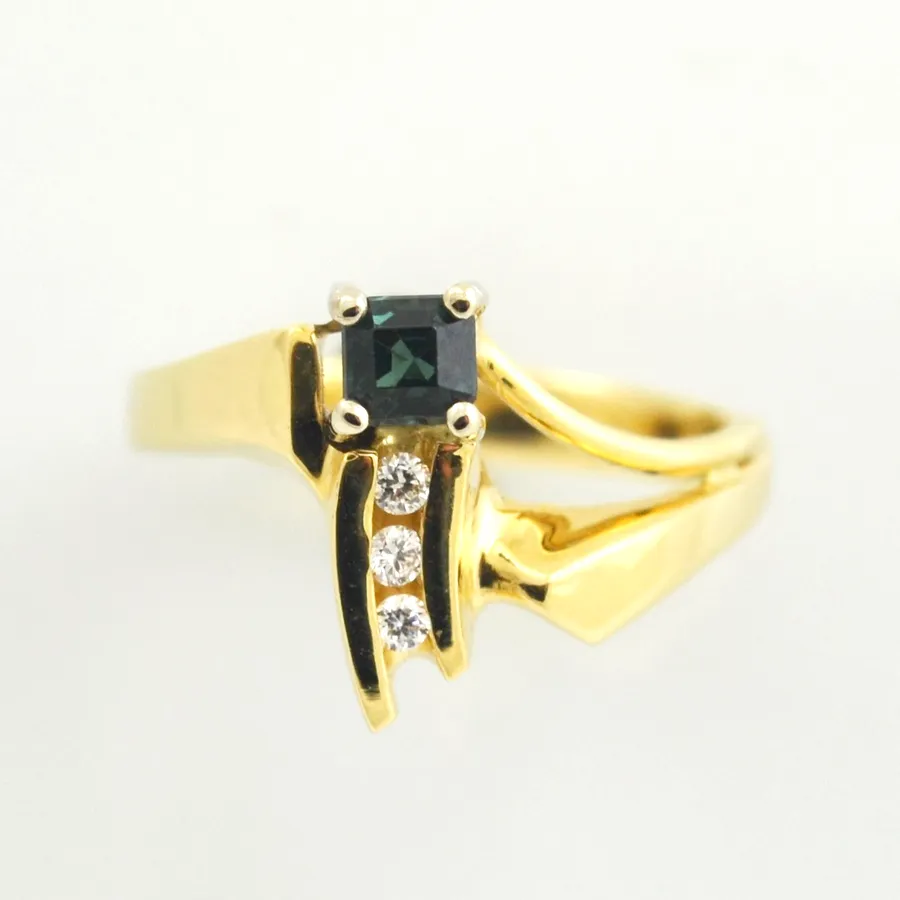
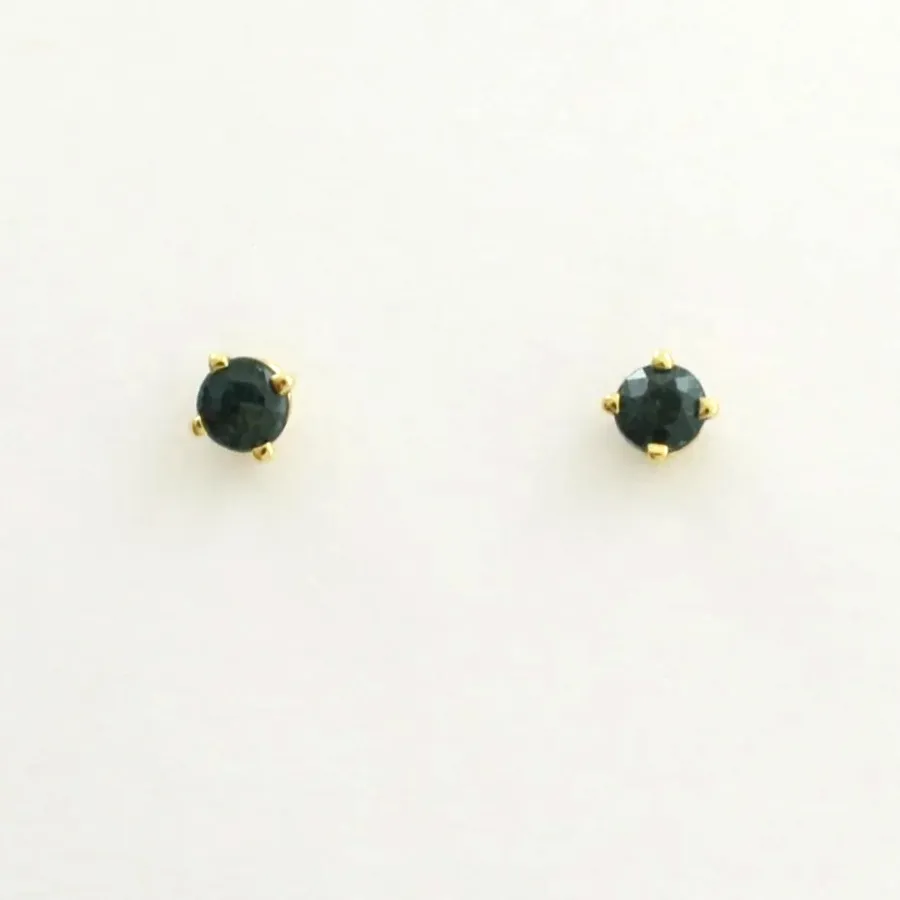
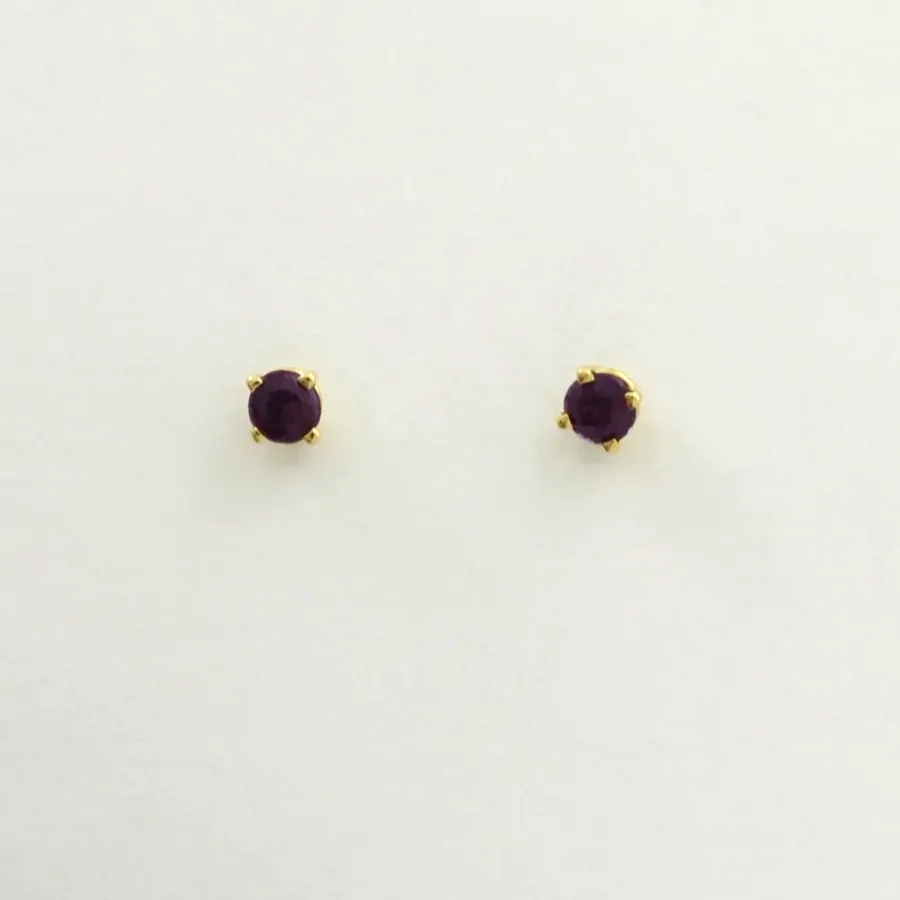
Alexandrite jewelry by Sharon Teaman
Each piece is one of a kind and made by hand in State College, Pennsylvania.
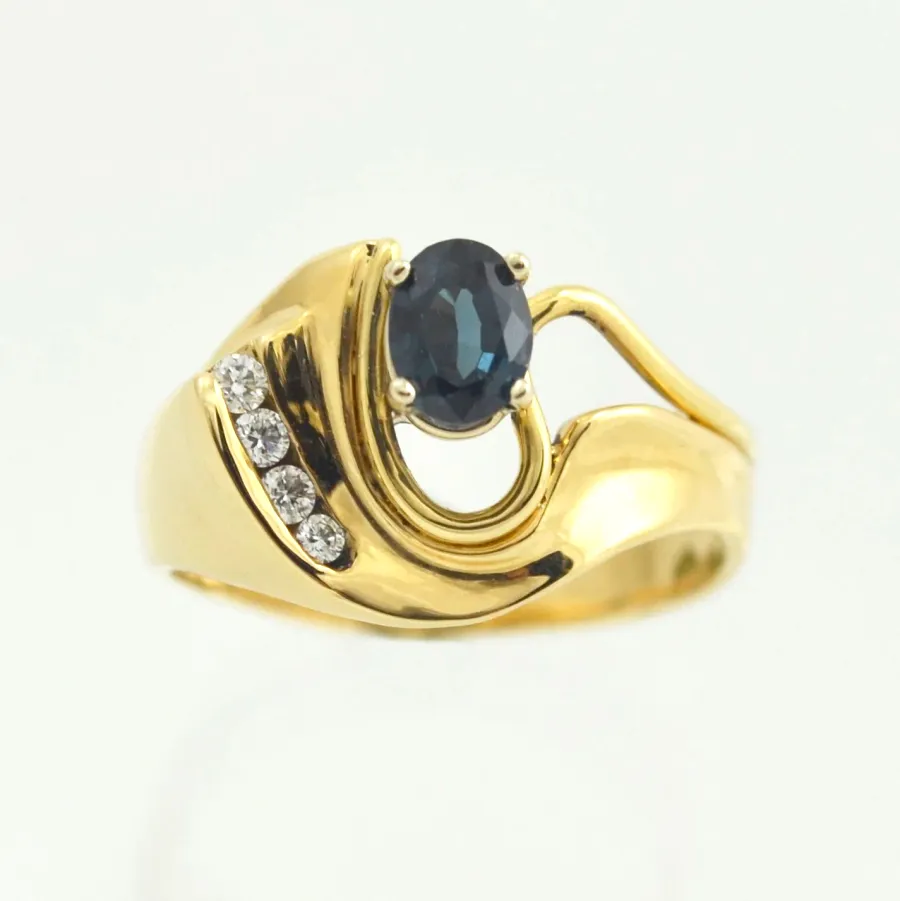
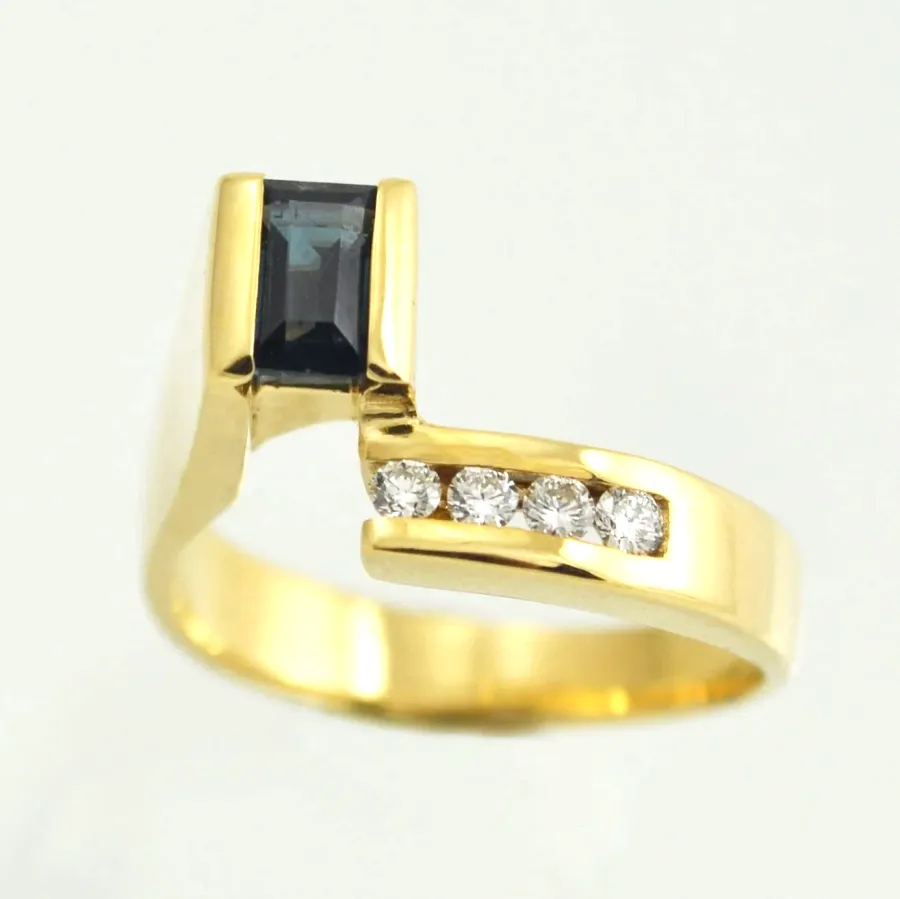
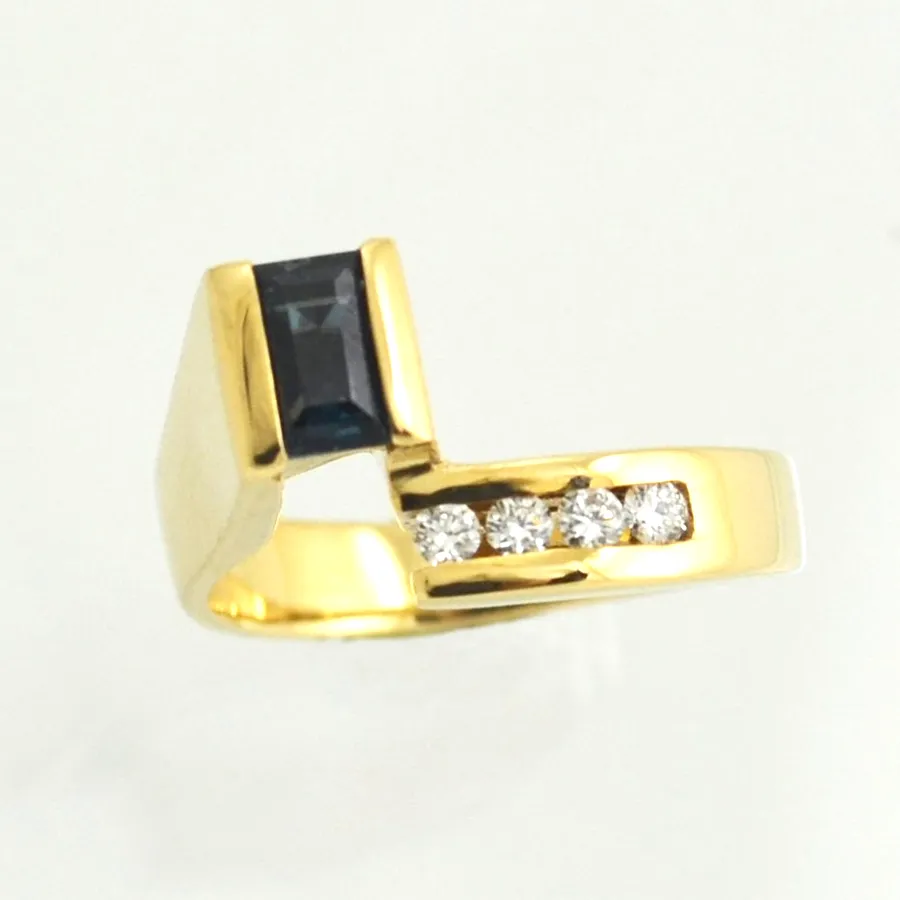
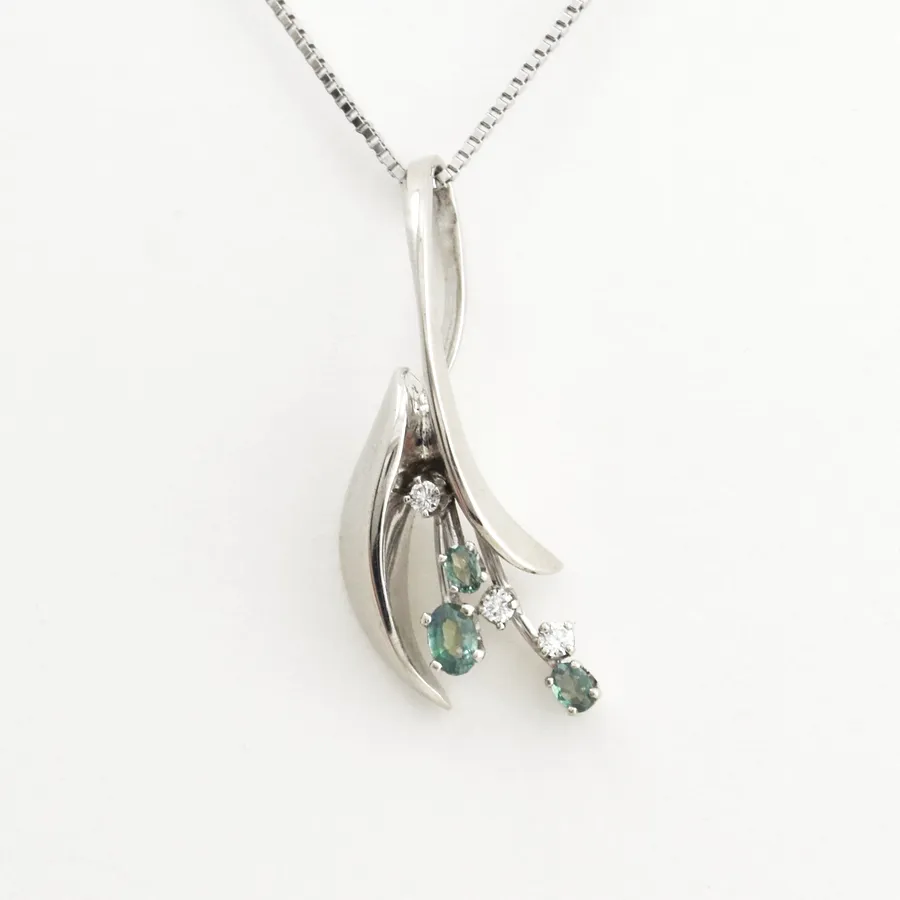
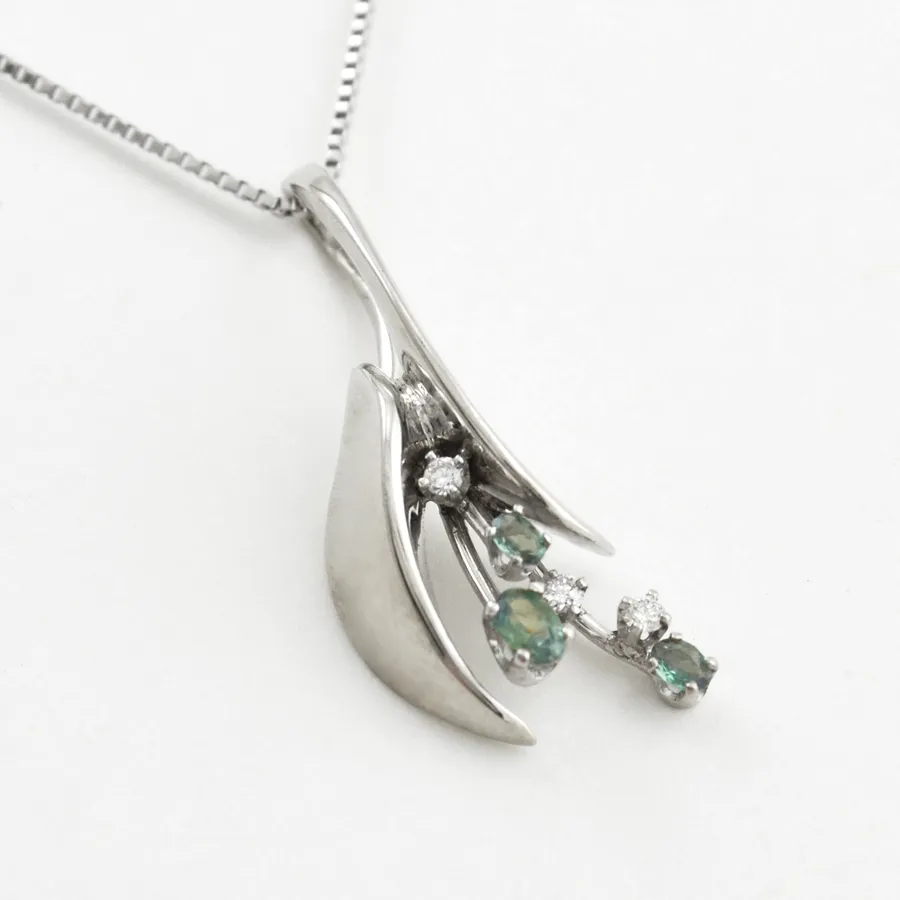
Commission a alexandrite piece
Tell Sharon the color, the shape or the budget you have in mind. She sources alexandrite year round and will find the right stone before a single sketch is made.