The four C's — and which one actually matters
Everyone selling a diamond will walk you through the four C's. Almost nobody will tell you that they are not equally important, or which ones you can quietly economize on.
Cut — the one that matters most
Cut is not the shape of the stone. It is the quality of the proportions, symmetry and polish, and it governs how light enters the diamond, bounces around inside it and returns to your eye. It is the only one of the four C's that is entirely a human decision rather than an accident of geology.
A superbly cut diamond of modest color and clarity will out-sparkle a poorly cut stone with better grades on paper, every time, visibly, across a room. If you take one thing away: do not compromise on cut.
Cutters routinely leave weight on a stone to hit a magic carat number, and that extra weight goes into depth where it does nothing for appearance. A well-cut 0.90 carat will often look larger and livelier than a badly cut 1.05.
Color — where you can save
Diamond color is graded D through Z, with D being completely colorless and Z showing obvious yellow or brown. The grades are assessed face-down against a master set, under controlled lighting, by a trained grader.
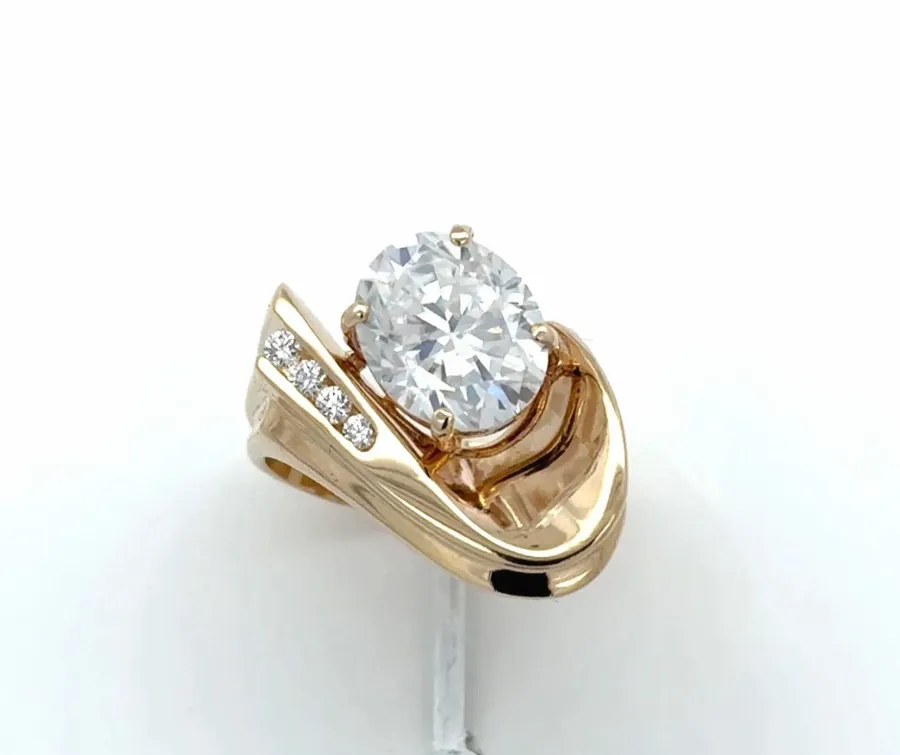
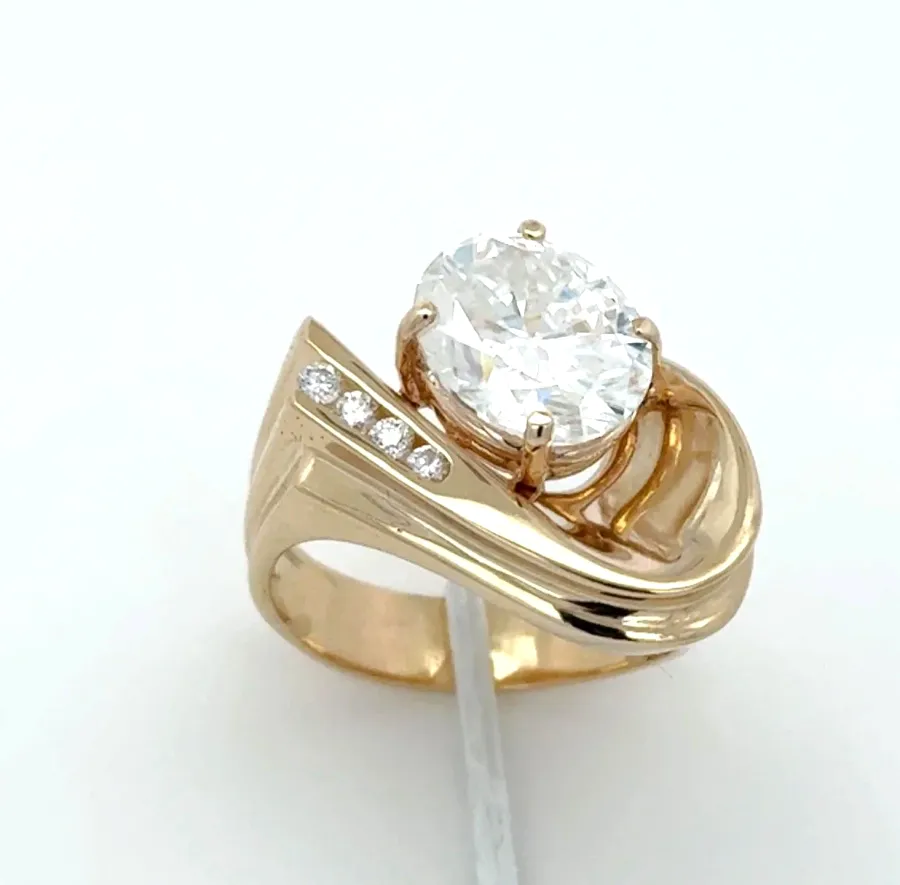
Face-up, in a ring, on a hand, in ordinary light, most people cannot distinguish a D from a G. What they can distinguish is the price difference, which is substantial. In yellow gold, a warmer stone in the H to J range often looks better than a colorless one, because it harmonizes with the metal rather than fighting it.
Clarity — where you can save more
Clarity describes internal inclusions and surface blemishes, graded from Flawless down through VVS, VS, SI and I. The critical threshold is eye-clean: no inclusions visible to an unaided eye at normal viewing distance.
Beyond eye-clean, you are paying for something only a loupe reveals. A VS2 and a VVS1 look identical on a hand. Many SI1 stones are eye-clean too, depending on where the inclusions sit — which is why looking at the actual stone beats reading the certificate.
Carat — the one people over-weight
Carat is mass, not size. A carat is 0.2 grams. Because price jumps sharply at round numbers — 0.50, 1.00, 1.50, 2.00 — a stone just under a threshold costs meaningfully less than one just over it, while being almost indistinguishable in diameter.
A 0.95 carat and a 1.00 carat differ by roughly two percent in diameter and often by fifteen to twenty percent in price. Nobody looking at the ring will know.
What to do with this
- Buy the best cut you can. Excellent or Ideal, no exceptions.
- Drop color to G–J, and lower still if the setting is yellow gold.
- Buy eye-clean rather than a clarity grade. Look at the stone.
- Shop just under the round carat thresholds.
- Get an independent report from a respected lab, and read it.
Frequently asked
Which of the four C's is most important?
Cut. It determines brilliance and fire and is the only factor entirely under human control. A well-cut stone with mid-range color and clarity will look better than a poorly cut stone with superior grades.
What clarity grade should I buy?
Whatever is eye-clean. That is often VS2 or a well-placed SI1. Paying for VVS or Flawless buys you something only visible under magnification.
Does diamond color matter in yellow gold?
Less than you would think, and often in the opposite direction. A slightly warm stone in the H–J range frequently looks better against yellow gold than a colorless one.