How much does a custom engagement ring actually cost?
Nobody will give you a straight answer to this question, so here is one. The price of a ring is the stone, plus the metal, plus the labor. Everything else is overhead, and overhead is the part you get to skip.
The honest answer: it depends on the stone
A center stone can cost two hundred dollars or twenty thousand, and that single decision drives most of the final number. Everything else — the metal, the setting, the side stones, the labor — moves within a much narrower band. So when someone asks what a custom ring costs, the real question underneath is what stone they want in it.
Sharon Teaman itemizes this on every piece she makes: stone cost, metal weight and cost, side stone cost, total. It is unusual to see, and once you have seen it you notice how rarely anyone else does it.
What the parts actually cost
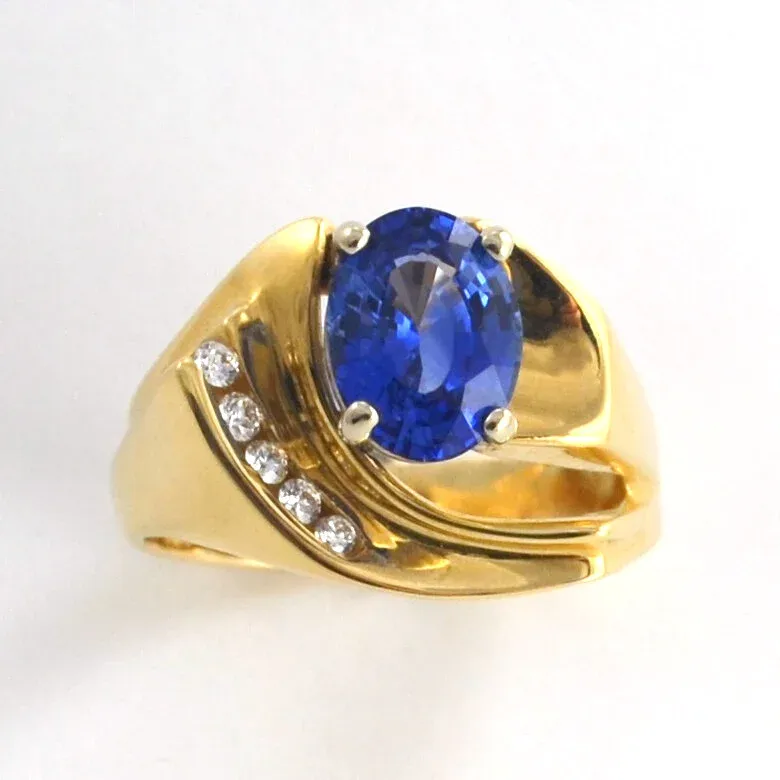
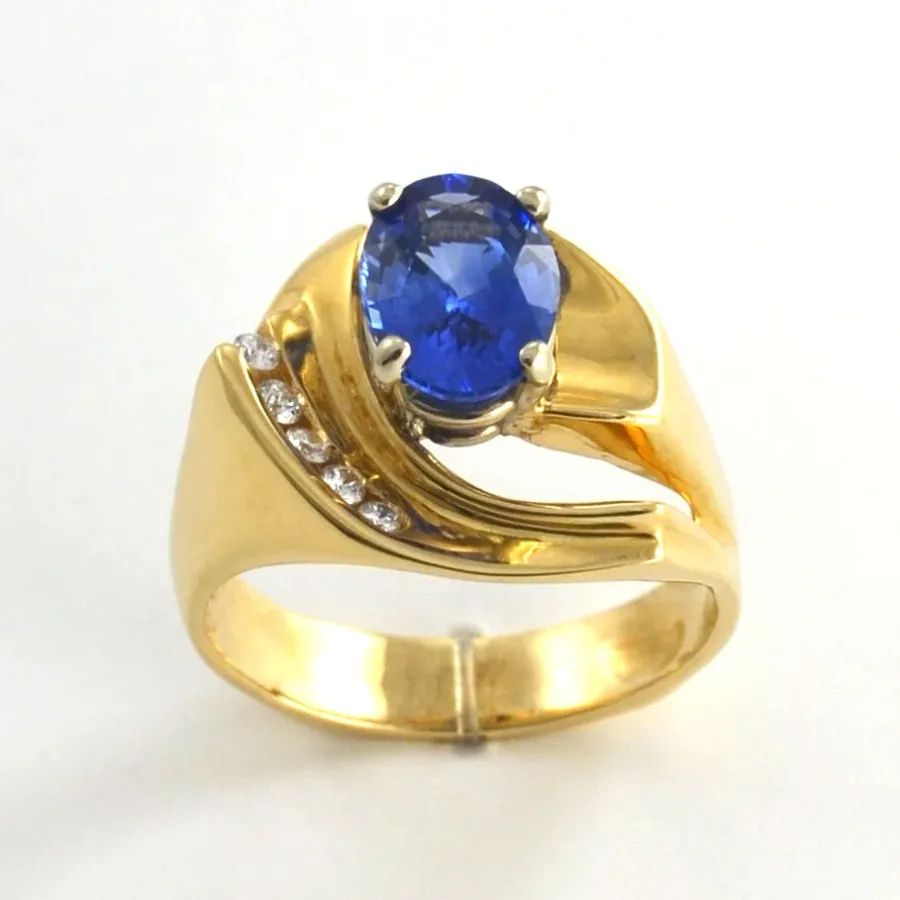
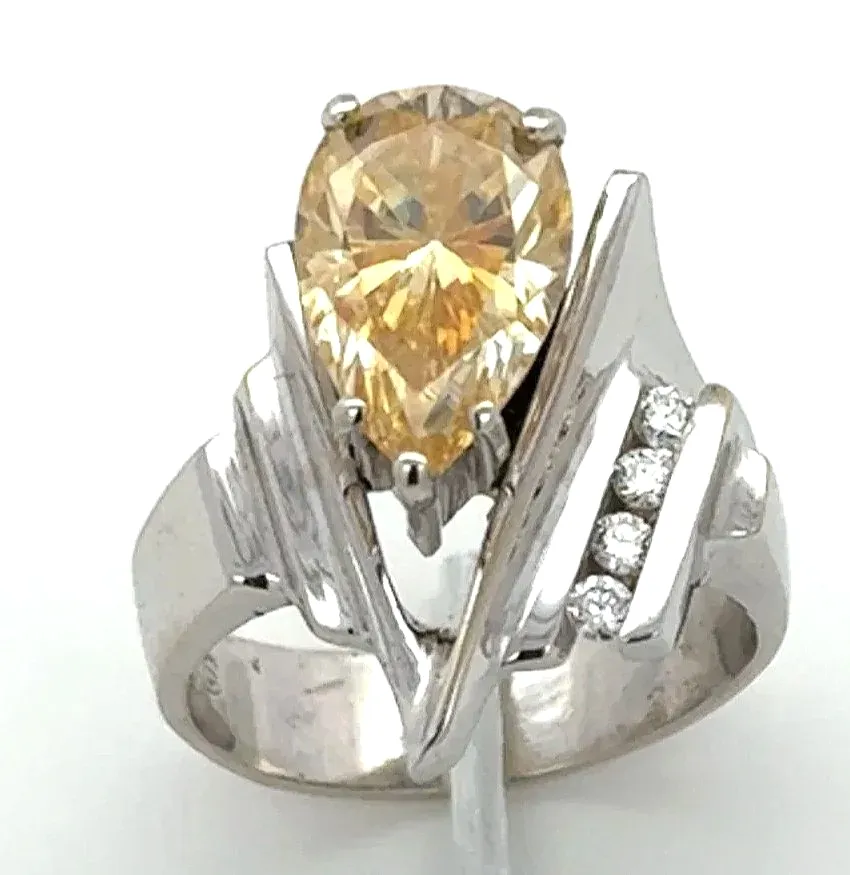
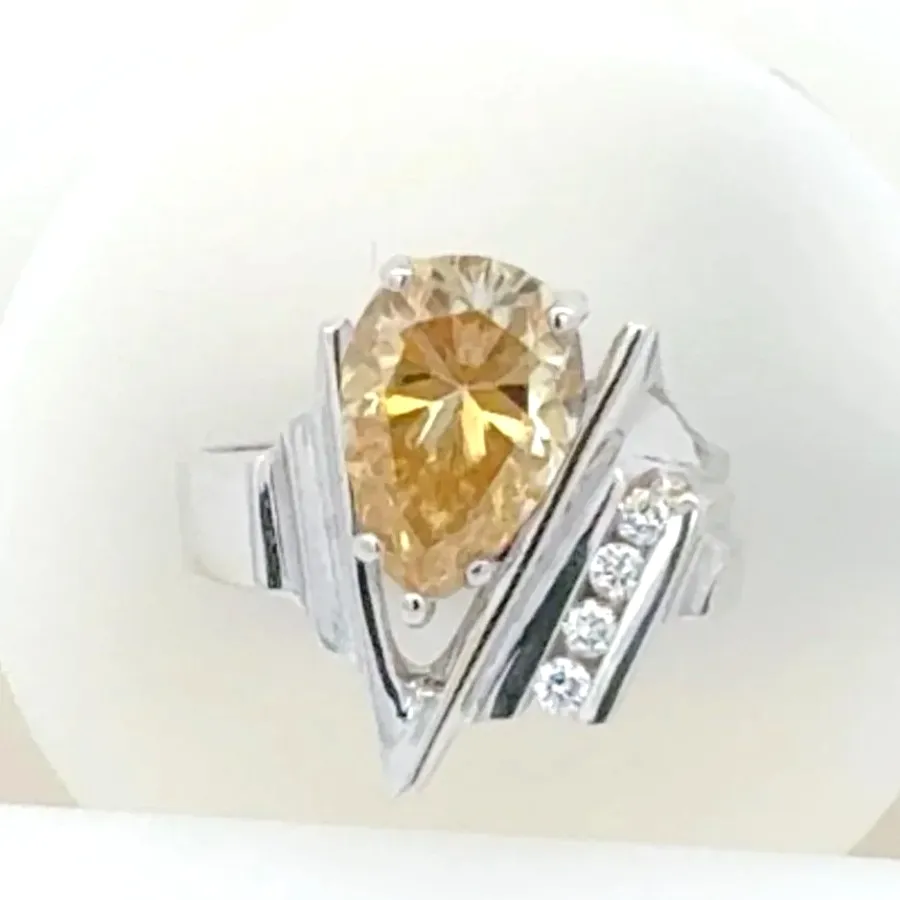
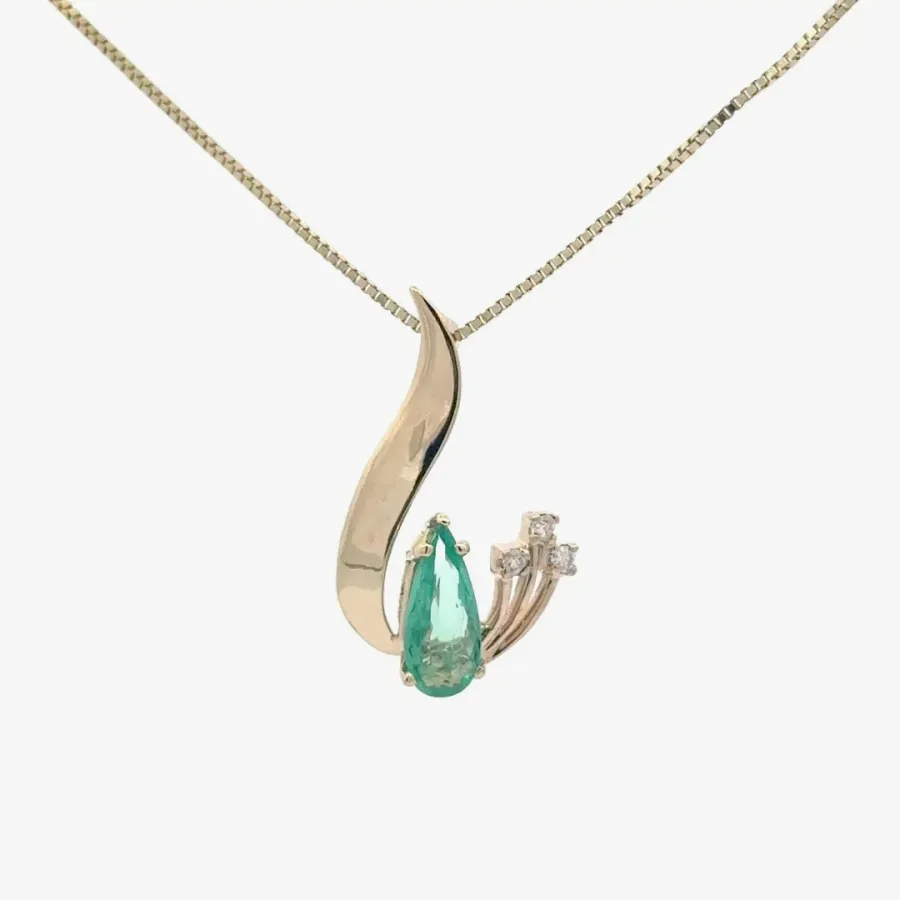
- Center stone — anywhere from $150 for a well-cut moissanite or lab-created stone, to $1,000–$4,000 for a good sapphire, to $5,000 and well beyond for fine natural diamond, alexandrite or Paraiba tourmaline.
- Metal — a typical ring uses 3 to 7 grams of gold. At current prices that is roughly $250 to $700 in 14k, plus fabrication. Sterling silver brings the same volume down to under $100.
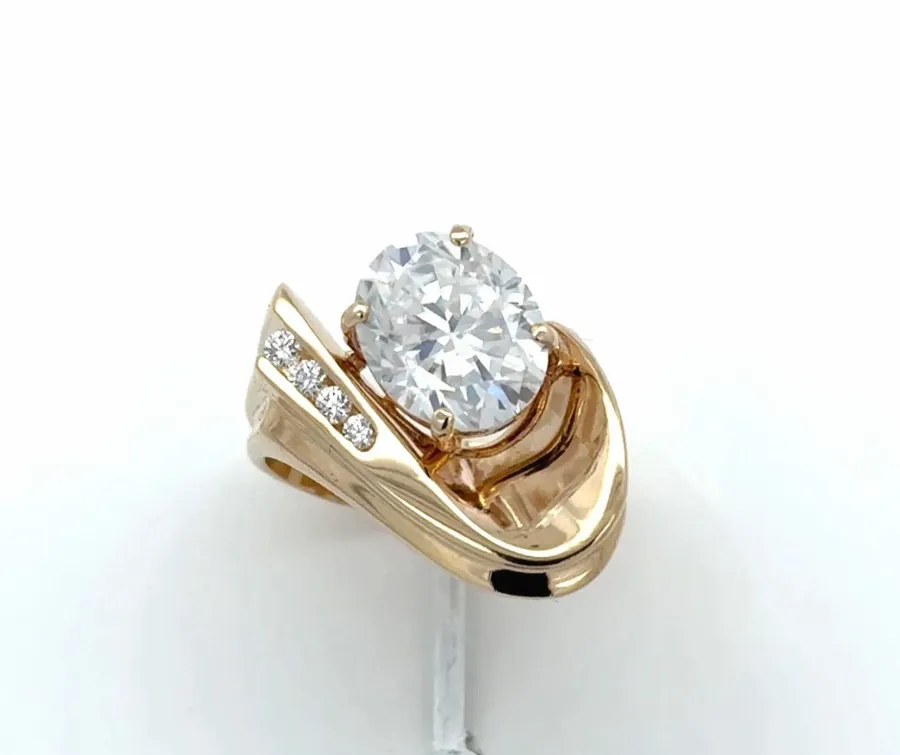
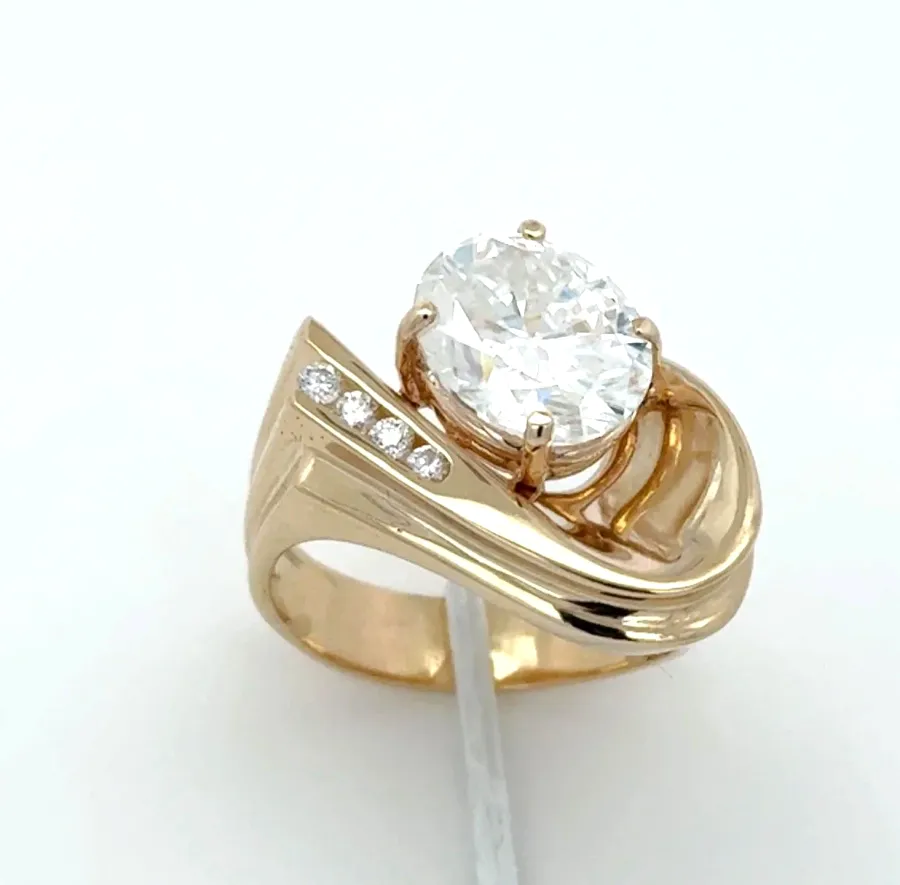
- Side stones — small accent diamonds usually run $200 to $800 total for a handful of melee.
- Labor — the design, wax carving, casting, setting and finishing. This is the part that separates a piece made by a goldsmith from one assembled from castings.
Why custom is usually not more expensive
This surprises people, but a retail jewelry store has to pay for a storefront in a good location, staff on the floor, security, insurance, and the financing cost of holding inventory that may not sell for two years. All of that is in the price of every ring in the case. Industry markups at traditional retail commonly run two to three times wholesale, and sometimes considerably more.
An independent designer has none of that. Sharon works from her own studio by appointment, holds inventory she selected herself, and does not employ a sales floor. The price of a piece reflects the materials and her time.
That does not make custom automatically cheaper — you can spend any amount on a stone. It means that for a given budget, more of your money ends up in the ring.
The two-months-salary rule was an advertisement
It is worth saying plainly: the guideline that an engagement ring should cost two months of your salary was created by an advertising agency working for a diamond company in the twentieth century. Before that campaign it was one month. In some markets they pushed for three.
There is no correct percentage. There is only what you can comfortably spend and what that buys. A jeweler who leans on the salary rule is telling you something about how they sell.
Where to spend and where to save
If the budget is tight, the highest-leverage decisions are these. Cut quality matters more than carat weight — a smaller, superbly cut stone outperforms a larger dull one every time, and the difference is visible across a room. Clarity beyond eye-clean is money spent on something only a loupe can see.
Consider the stone type honestly. A lab-grown diamond costs a fraction of a mined one of the same specification. A fine sapphire at 9 on the Mohs scale is genuinely practical for daily wear and costs considerably less than diamond. Moissanite is harder than every colored gemstone and a small fraction of the price.
Where not to save: the setting. A poorly made setting loses stones. That is the one failure mode that turns a happy purchase into an expensive problem, and it is entirely a function of who made it.
What a realistic budget buys
- Under $1,000 — sterling or 14k with a moissanite, lab-created or modest colored stone. Real metal, real bench work, honest materials.
- $1,500–$3,500 — 14k gold with a good sapphire, tourmaline or tanzanite center, or a small lab-grown diamond. This is where most commissions land.
- $3,500–$8,000 — a substantial natural colored stone or a meaningful diamond, with side stones and more complex fabrication.
- $8,000 and up — fine alexandrite, top-color sapphire, larger natural diamonds, or an unusual stone that took years to find.
Frequently asked
Is a custom engagement ring more expensive than a store-bought one?
Usually not, and often less. Retail pricing has to carry a storefront, staff and inventory financing. An independent designer working by appointment has none of that overhead, so more of your budget goes into the stone and the metal.
How long does a custom engagement ring take?
Typically four to eight weeks from approved design to finished piece, plus any time needed to source an unusual stone. Tell your jeweler your date at the very start.
What is the cheapest way to get a beautiful engagement ring?
Prioritize cut over carat weight, accept eye-clean rather than flawless clarity, and consider a lab-grown diamond, a sapphire or a moissanite as the center stone. Do not economize on the setting.