Resetting inherited jewelry
The most common thing in a jewelry box is a piece nobody wears. It has meaning, it has value, and it sits in a drawer for thirty years. There is a better outcome available.
Start with an honest assessment
Before any plan is made, someone qualified should look at what you have. Old stones frequently carry chips along the girdle, abrasion on facet edges, or fractures that were stable in an untouched setting and become a real risk once the stone is removed and reset.
A certified gemologist can tell you what the material actually is — old European cut or modern brilliant, natural or a simulant sold decades ago as something else, treated or not. That assessment costs little and occasionally changes everything.
Sharon does this before any commission involving an inherited piece, and she will tell you when the answer is that a piece should be left alone.
What can usually be reused
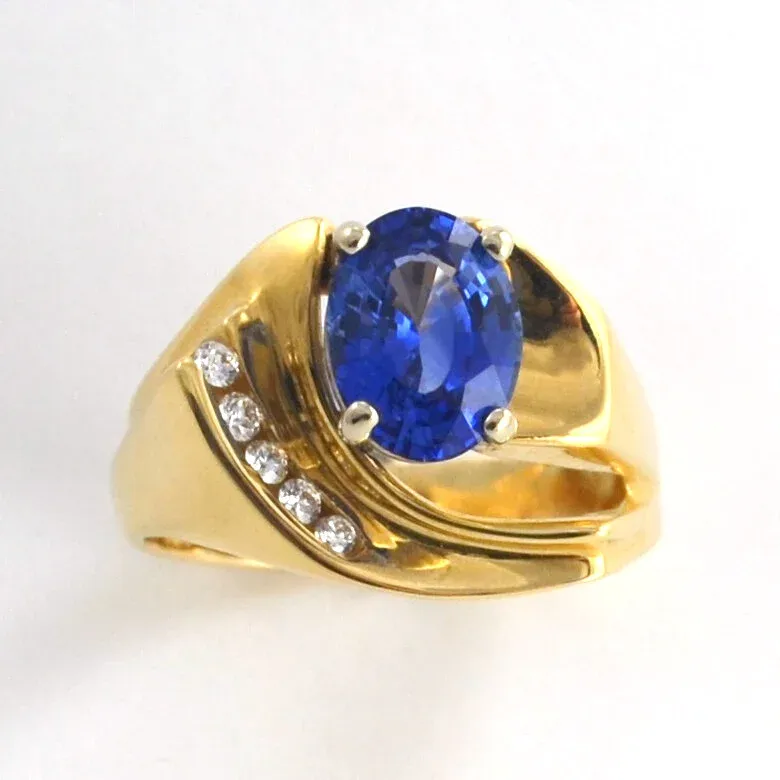
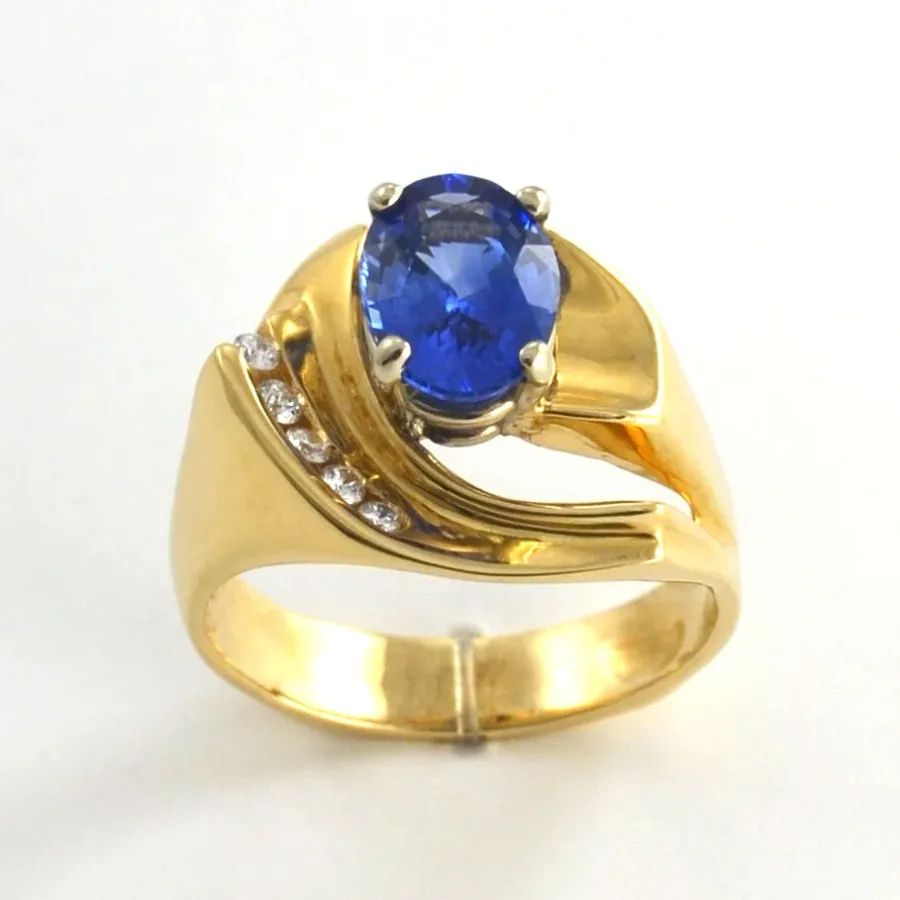
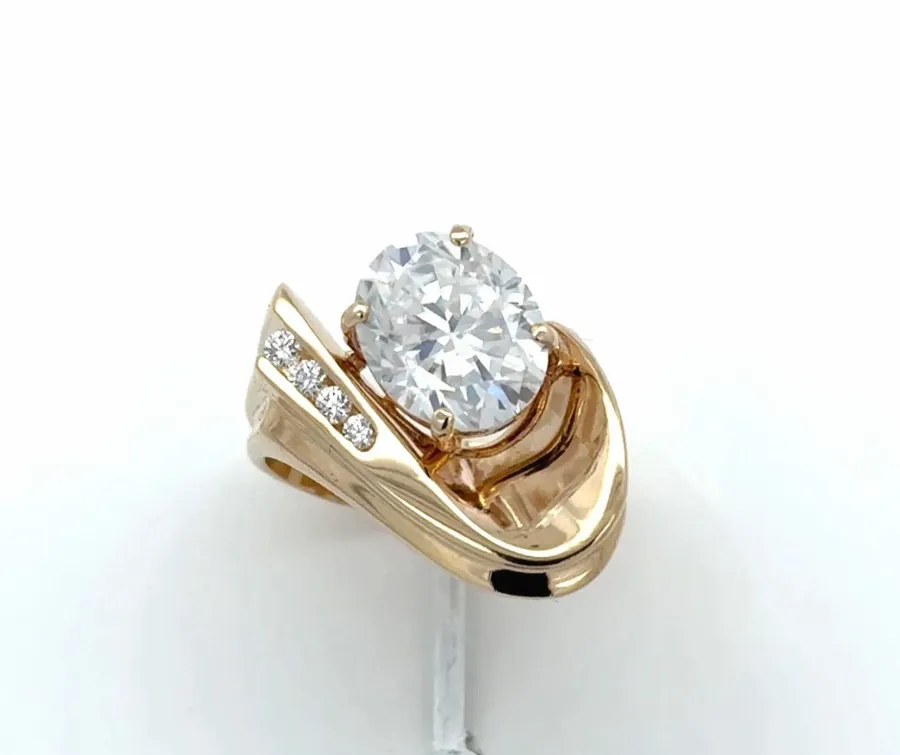
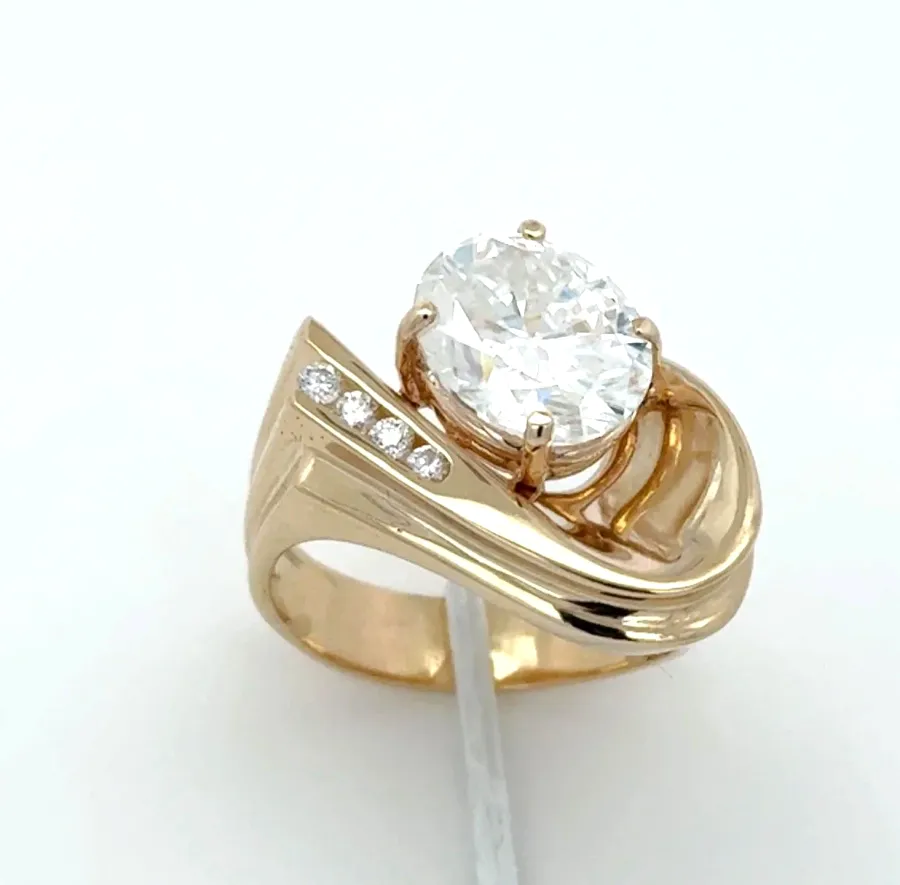
- The center stone, in most cases, assuming it is sound.
- Larger side stones, though tiny melee is often not worth the labor of resetting.
- The gold itself, which can be refined and used as material, though it is rarely economical to melt and reuse directly.
- Distinctive elements — an engraved band, a piece of filigree — sometimes worked into a new design as a detail.
What usually cannot
Heavily worn settings past the point of repair, stones with structural fractures, and anything where the sentimental value is bound up in the object as a whole rather than in its parts. If what you love is the ring as it is, the right answer may be restoration rather than redesign.
It is also worth being honest about scale. A small stone in a Victorian setting will still be a small stone in a modern one. Resetting changes the context, not the carat weight.
The question nobody asks first
Who is going to wear it, and what do they actually wear? An inherited diamond reset into a design chosen by the person doing the inheriting-out rather than the person receiving it ends up in a drawer just like the original.
The most successful commissions of this kind start with the wearer, not the stone.
What the process looks like
Assessment first, then a conversation about what the wearer actually likes, then design — hand-carved wax or a CAD rendering so you can see the piece before anything irreversible happens. That last point matters more here than in any other commission, because taking apart an heirloom is a one-way operation.
Sharon will not begin dismantling anything until the design is approved and you are certain.
Frequently asked
Can I use my grandmother's diamond in a new ring?
Almost always, provided the stone is structurally sound. It should be assessed for chips and fractures first, since removing a stone from an old setting carries some risk if it is already damaged.
Is it cheaper to reset a stone than buy new?
Usually, because the most expensive component is already in hand. You are paying for design, metal and labor rather than for a center stone.
Can old gold be reused?
It can be refined and used as material. Melting and reusing it directly is generally inadvisable, because repeatedly worked gold can carry porosity and impurities that cause problems at the bench.