Colored stone engagement rings that actually last
A colored stone engagement ring is a wonderful idea and a genuinely risky one, depending entirely on which stone you pick. Here is the part most jewelers will not tell you.
Hardness is necessary but not sufficient
The Mohs scale measures scratch resistance, and it is the first thing to check — but it is not the whole story. Toughness, which describes resistance to chipping and breaking, matters just as much for a ring, and the two are not the same property.
Ordinary household dust contains quartz at 7 on the Mohs scale. Any stone softer than that will be slowly abraded by nothing more than daily life, and after ten years it will look tired in a way that cannot be polished out. That makes 7 the practical floor and 8 the comfortable one.
Cleavage is the other consideration. A stone with a strong cleavage plane can split cleanly under a sharp knock even if it is hard. Topaz at 8 and tanzanite at 6.5 both have this issue.
The stones that genuinely work
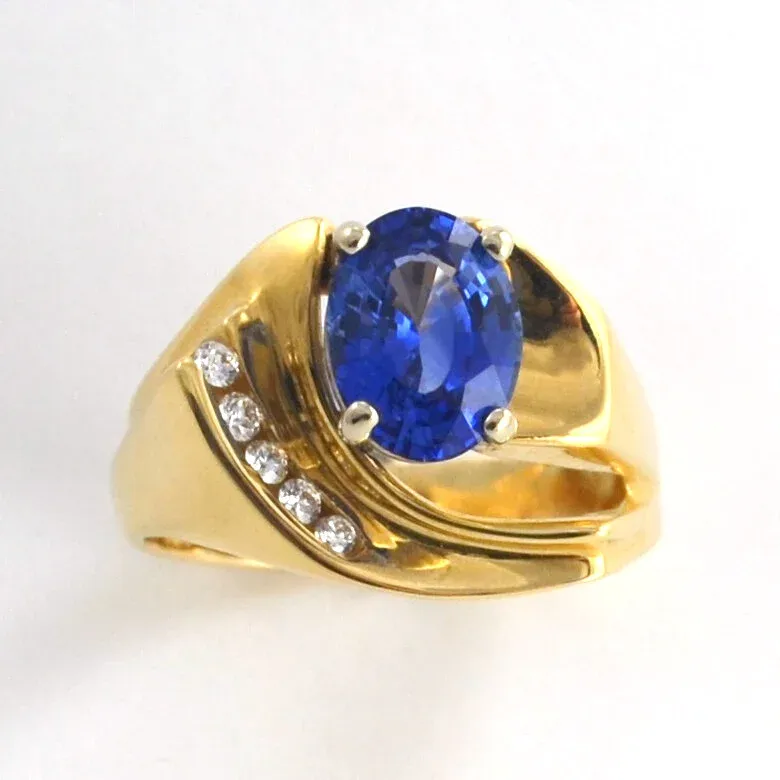
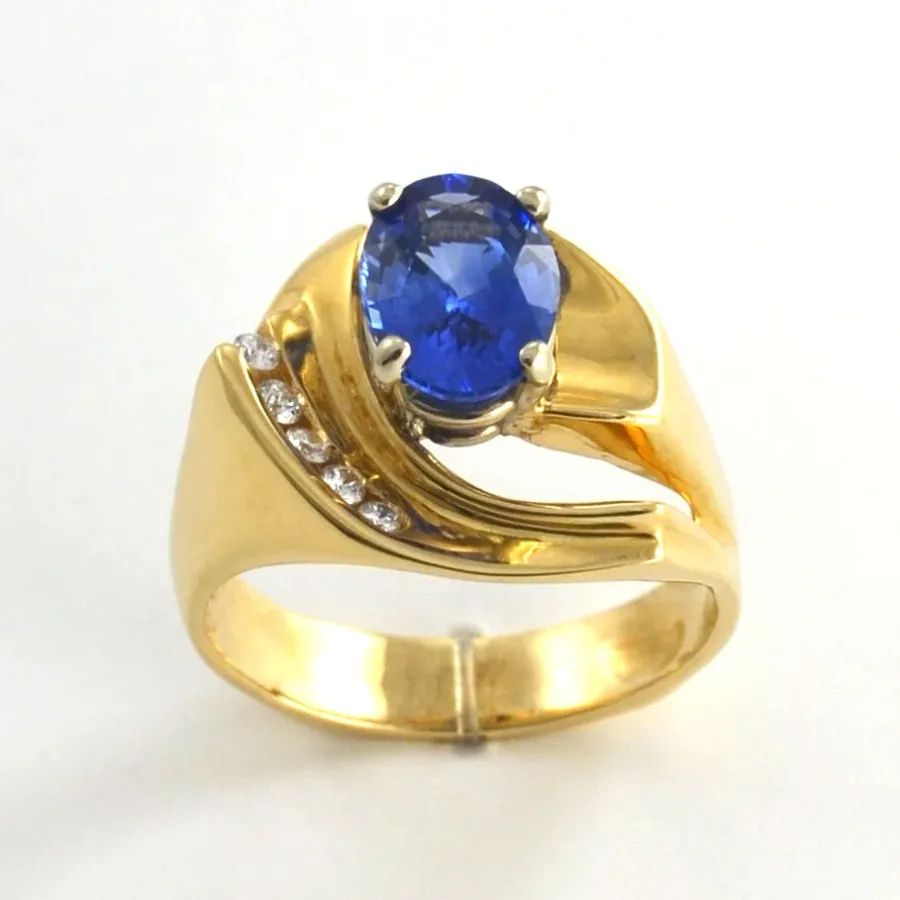
- Sapphire — 9 on the Mohs scale, no cleavage, every color including teal, peach and pink. The best colored stone for daily wear, without qualification.
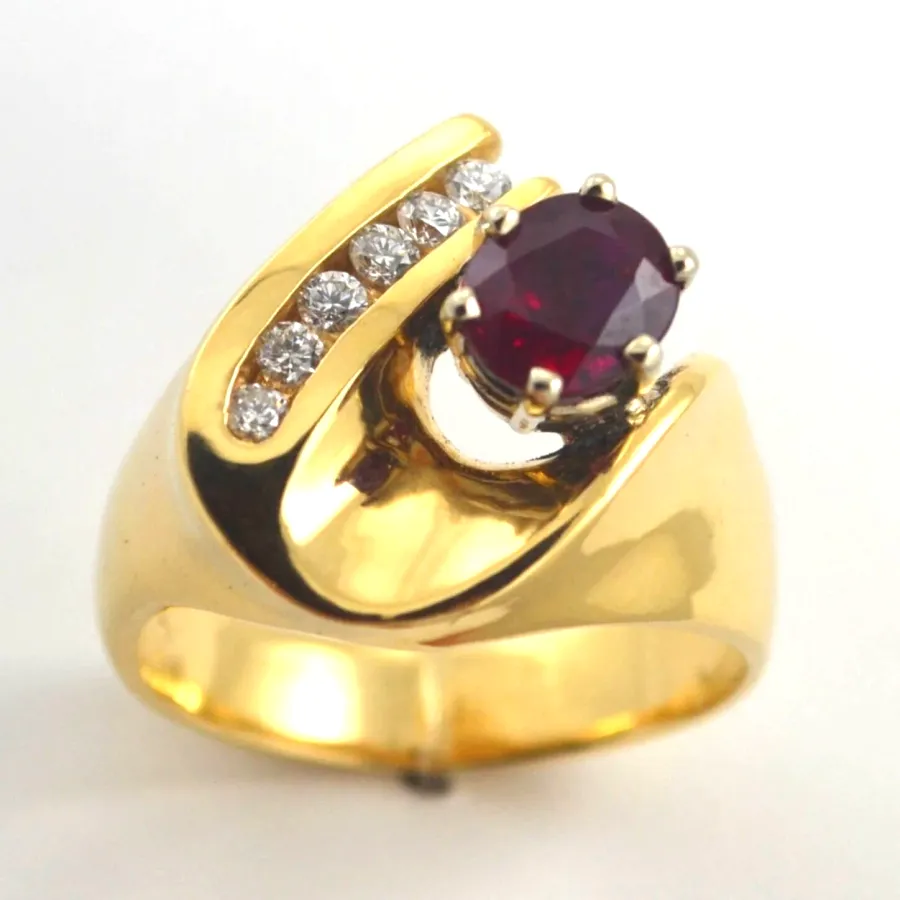
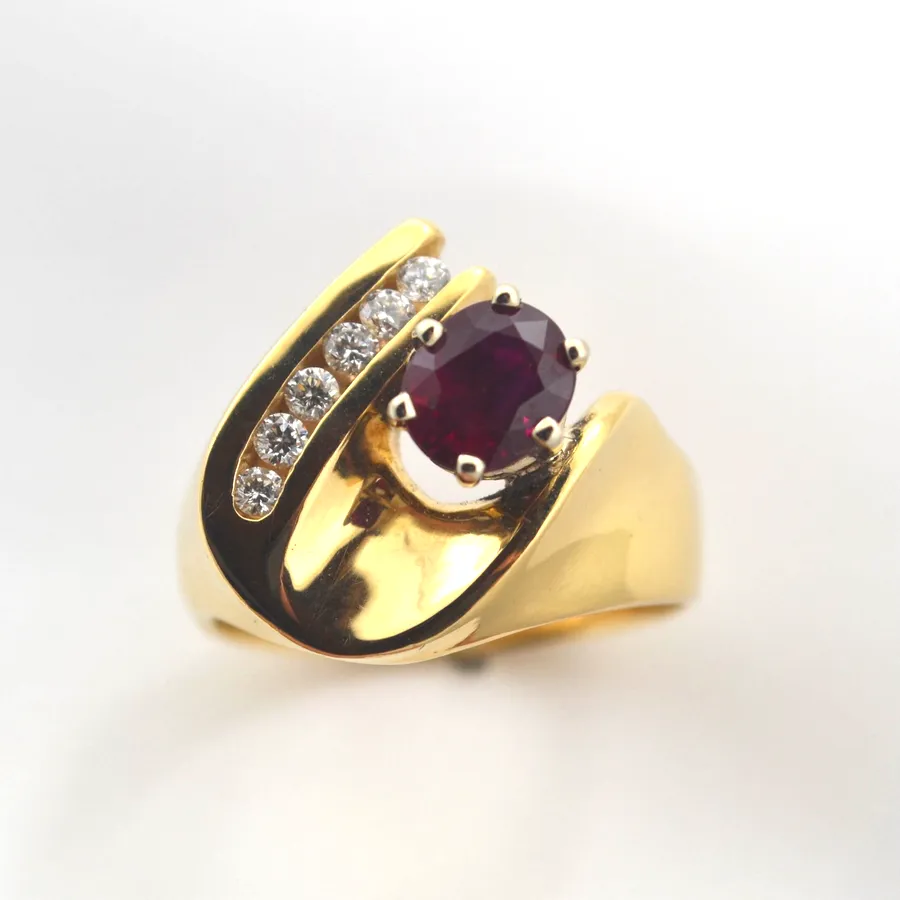
- Ruby — the same mineral as sapphire, 9 on the Mohs scale, equally practical. Avoid glass-filled material.
- Alexandrite — 8.5, durable, and a genuine color change. Expensive, but it holds up.
- Moissanite — 9.25, harder than everything except diamond, and a fraction of the cost.
- Spinel — 8, tough, no cleavage, and available in reds, pinks and blues that rival sapphire.
The stones that need a protective setting
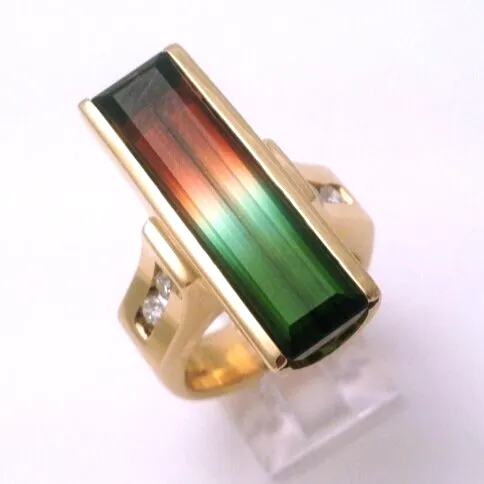
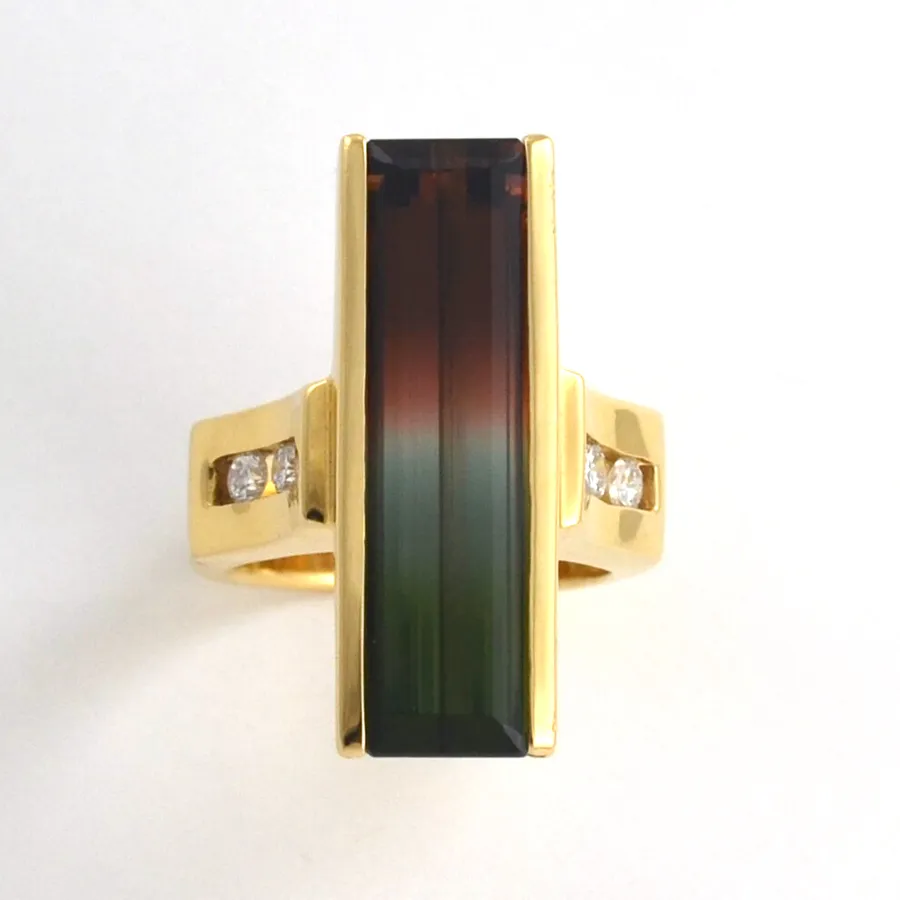
- Tourmaline — 7 to 7.5, workable in a bezel or low setting, but chippable on a hard knock.
- Aquamarine — 7.5 to 8, reasonably durable, though its light color shows abrasion less than most.
- Garnet — 6.5 to 7.5 depending on species. Borderline, and better in a protected mount.
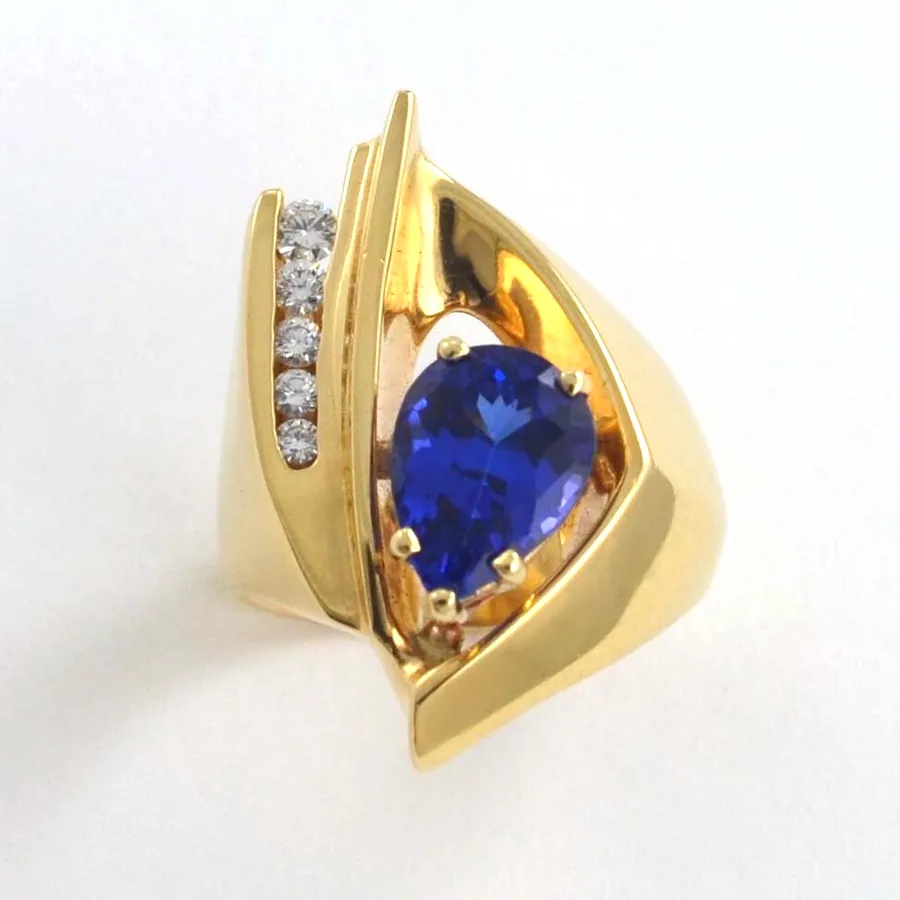
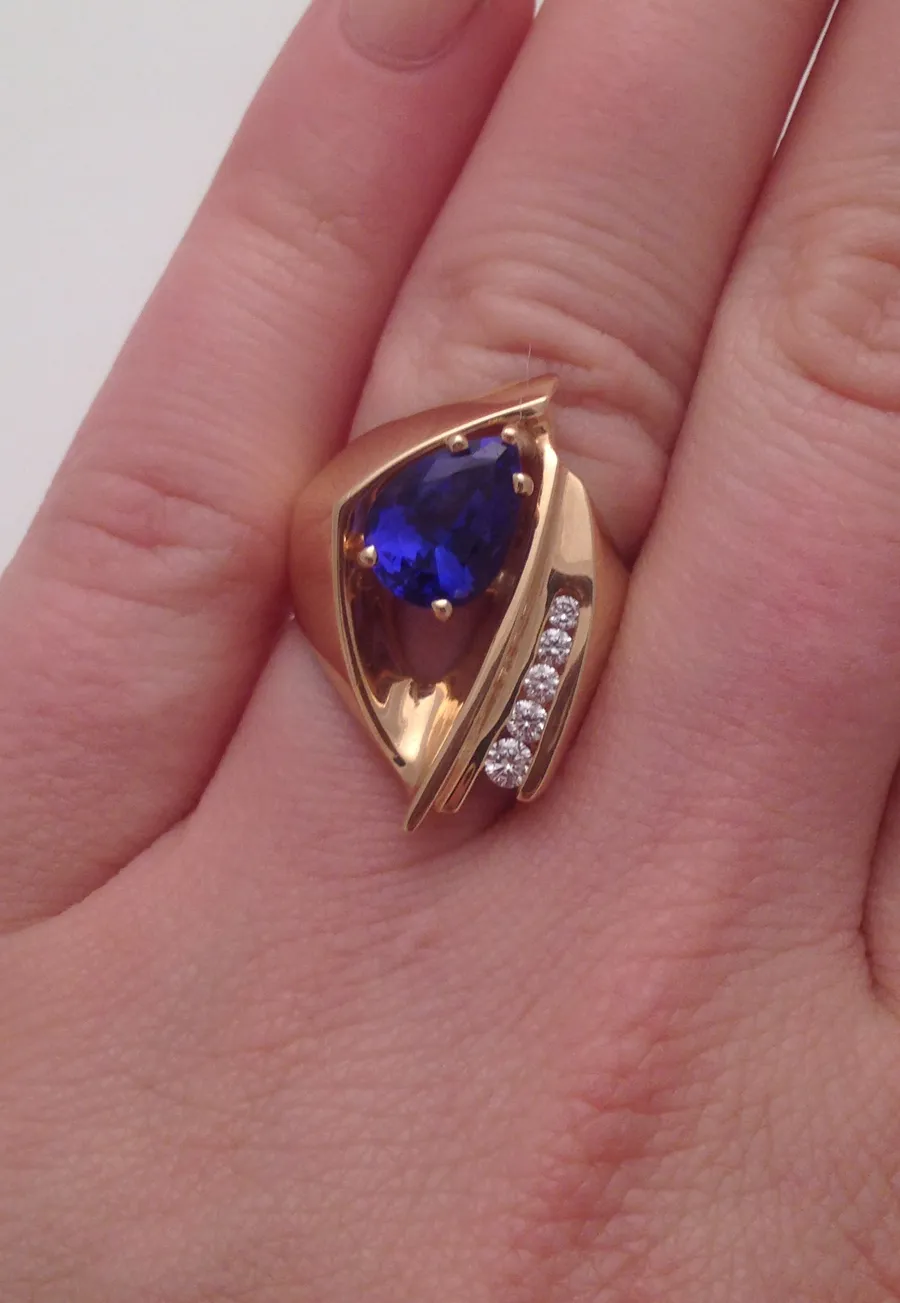
- Tanzanite — 6 to 7 with cleavage. Beautiful, and it needs a bezel and an owner who takes it off for physical work.
The stones to avoid for a ring worn daily
Opal at 5.5 to 6.5 contains water, dislikes temperature change, and abrades. Pearl at 2.5 to 4.5 is nacre and will not survive. Emerald is hard enough at 7.5 to 8 but is fractured and oiled, which makes it fragile in practice and requires ongoing maintenance.
None of these are bad stones. They are wonderful stones in a pendant or a pair of earrings, where they take a fraction of the abuse. The mistake is putting them somewhere they cannot survive.
How the setting changes the equation
A full bezel wraps metal around the girdle of the stone and protects the most vulnerable edge. A low-profile setting keeps the stone closer to the finger, where it catches on fewer things. A halo of small hard stones takes the impact before the center does.
These choices can move a borderline stone into workable territory. They cannot make a pearl survive a ring, but they make the difference for tourmaline, tanzanite and garnet — which is why Sharon builds those stones the way she does.
Frequently asked
What is the most durable colored gemstone for an engagement ring?
Sapphire, at 9 on the Mohs scale with no cleavage plane, in any color you like. Ruby is the same mineral and equally durable.
Can I have an opal or pearl engagement ring?
You can, but it will not survive daily wear well. Both are soft and easily damaged. They are far better suited to pendants and earrings, where they take much less abrasion.
Does the setting really make a difference?
A significant one. A bezel protects the girdle, the most chip-prone part of a stone, and a lower profile means fewer knocks. It can move a borderline stone into practical territory.